7 steps to master good customer service skills in 2026


If you want to stand out in 2026, you need good customer service skills. Sobot leads the way with smart, secure AI and trusted solutions. Check out how Sobot sets the standard:
| Feature | Description |
|---|---|
| Omnichannel AI | Connects every customer touchpoint for seamless service. |
| Trusted by Brands | Over 10,000 brands choose Sobot, including Samsung and Michael Kors. |
Communication Skills
Great communication skills help you connect with customers and solve their problems. You need to master a few key habits to stand out in customer service.
Active Listening
Active listening means you give your full attention to the customer. You don’t just hear words—you show you care about what they say. Try using simple phrases like, “I understand,” or repeat back what you heard. This helps customers feel valued and builds trust. When you listen well, you catch details and avoid mistakes. Many top companies use the HUA model: heard, understood, acknowledged. This model helps you validate customer feelings and improve satisfaction.
Tip: Nodding, using short verbal cues, and asking follow-up questions show you’re really listening.
Positive Language
Positive language can turn a tough situation around. Use words that make customers feel comfortable and respected. For example, say, “Let’s find a solution together,” instead of, “I can’t help with that.” When you use positive words, you build trust and make customers feel important. Ending a chat or call on a high note leaves a good impression, even if things started rough.
- Positive interactions build credibility.
- Empathy and clear language reduce confusion.
- Customers remember how you made them feel.
Handling Challenges
You will face challenges like high call volumes or tough questions. Stay calm and focus on solutions. Many companies use AI tools and cloud systems to handle busy times. If you don’t know the answer, let the customer know you’ll find out and follow up. This shows responsibility and keeps trust strong.
Good customer service skills start with strong communication. Practice these habits every day to grow your confidence and help your team shine.
Emotional Intelligence
Empathy in Service
Empathy helps you connect with customers on a deeper level. When you show that you understand their feelings, you build trust and make them feel valued. Studies show that empathy creates strong relationships. Customers remember how you made them feel, not just what you did. If you share their experiences and care about their well-being, you boost satisfaction and loyalty. Exceptional service that matches your brand values makes every interaction memorable. When you use empathy, you help customers feel understood and important.
Stress Management
Customer service can get stressful. You might face tough calls or upset customers. You need tools to stay calm and focused. Try these techniques:
- Self-awareness: Notice your own emotions and manage them.
- Deep breathing: Take slow breaths to stay relaxed.
- Active listening: Focus on what the customer says.
- Adaptability: Change your style if the customer feels upset.
- Conflict resolution: Find solutions that work for both sides.
These habits help you handle stress and keep your cool during busy times.
Professional Responses
Professionalism means you stay positive and clear, even when things get tough. Customers notice your tone of voice and attitude. In fact, 87% of customers say tone is the most important part of communication. If you keep a positive attitude, listen closely, and solve problems creatively, you build trust. Here are some best practices:
| Best Practice | Description |
|---|---|
| Positive Attitude | Stay upbeat to calm tense situations. |
| Active Listening | Show customers you value their words. |
| Clear Communication | Use simple words to explain solutions. |
| Creative Problem-Solving | Think of new ways to fix problems quickly. |
Emotional intelligence is a big part of good customer service skills. It helps you turn challenges into chances to shine.
Master Digital Tools with Sobot
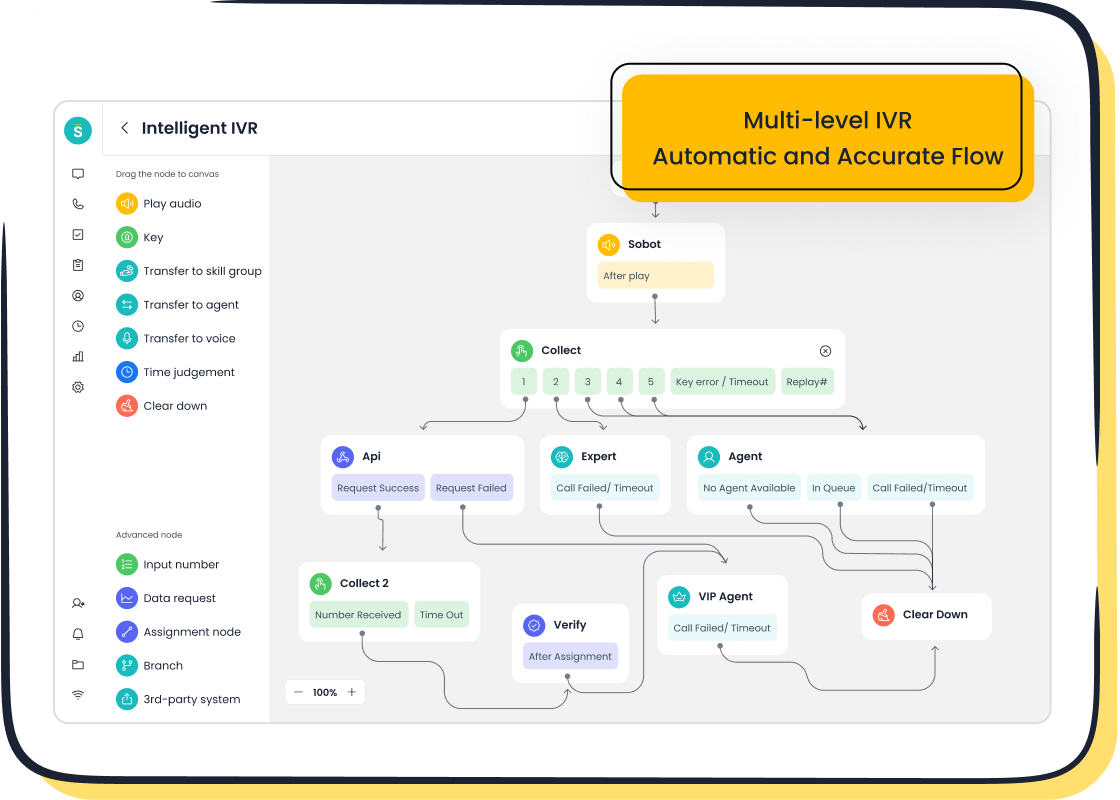
Digital tools can make your work in customer service much easier. Sobot gives you everything you need to handle calls, chats, and tickets in one place. Let’s see how you can use these tools to boost your good customer service skills.
AI Chatbots
Sobot’s AI chatbots work 24/7. They answer common questions fast and help customers even when you’re not online. You can set up the chatbot to greet visitors, solve simple problems, and collect information. This means you spend less time on routine tasks and more time helping with complex issues. Sobot’s chatbot supports many languages, so you can help customers from all over the world.
Omnichannel Solutions
With Sobot’s Omnichannel Solution, you can talk to customers on any channel—phone, email, social media, or live chat—without switching screens. This makes your job smoother and keeps customers happy. Companies like Samsung used Sobot to connect all their channels. They saw a 30% jump in agent efficiency and reached a 97% customer satisfaction rate. Other big brands, like Netflix and Starbucks, use similar omnichannel tools to personalize service and boost engagement.
Tip: When you use one platform for all channels, you answer faster and never miss a message.
Unified Workspace
Sobot’s unified workspace brings all customer info together. You see chat history, call logs, and tickets in one view. This helps you understand each customer’s story and give better answers. Companies that use a unified workspace report higher satisfaction and loyalty. You get the tools to work smarter, not harder.
If you want to master digital tools, Sobot gives you a strong start. You’ll handle more requests, solve problems faster, and make every customer feel important.
Apply Service Frameworks
You can boost your customer service game by using proven frameworks. These tools help you handle tough situations, recover from mistakes, and set clear expectations with customers.
STAR Method
The STAR Method helps you organize your thoughts when you talk about your experience or solve problems. STAR stands for Situation, Task, Action, and Result. You start by describing the situation, explain your task, share the action you took, and finish with the result. This method works well in interviews and real-life service moments. Many companies use other frameworks too, like MEDDIC, BANT, and the Challenger Sale Model, to guide their teams. Here’s a quick look:
| Framework | Description |
|---|---|
| STAR | Structure for sharing experiences and solving problems |
| MEDDIC/MEDDPICC | Checklist for qualifying sales opportunities |
| BANT | Focuses on Budget, Authority, Need, Timeline |
| Challenger Sale Model | Encourages teams to challenge thinking and tailor solutions |
| Service Blueprinting | Visualizes service processes for optimization |
Try using STAR when you explain how you handled a tricky customer call.
Service Recovery Steps
Mistakes happen. What matters is how you fix them. Great service recovery starts with listening to feedback, building communication skills, and setting realistic expectations. Here’s what works:
| Key Steps in Service Recovery | Description |
|---|---|
| Act on Customer Feedback | Show you care by using feedback to improve |
| Develop Communication Skills | Practice active listening and emotional intelligence |
| Set Realistic Expectations | Be clear about what you can do |
When you follow these steps, you show customers you value their trust.
Setting Expectations
Clear expectations make customers feel safe. You can set expectations by listening, using simple words, and showing empathy. Here are some strategies:
- Align expectations with what you can deliver.
- Use surveys to compare what customers want with what your team thinks.
- Set expectations before the conversation starts.
If you set expectations early, you avoid confusion and build loyalty. These frameworks help you develop good customer service skills that last.
Continuous Learning
You never stop growing in customer service. The best agents look for ways to improve every day. Let’s see how you can keep learning and stay ahead.
Feedback Collection
Feedback is your secret weapon. When you ask for feedback from customers and teammates, you find out what works and what needs fixing. Try reviewing your key performance indicators (KPIs) often. Look at things like customer satisfaction scores, first-contact resolution rates, and how engaged you feel at work. These numbers show if you’re making customers happy and solving problems fast.
| Metric | Description |
|---|---|
| Customer satisfaction scores | Measures if customers are happier after interactions. |
| First-contact resolution rates | Shows if you solve issues quickly and well. |
| Employee engagement | Checks if you feel confident and satisfied. |
Tip: Regular check-ins help you spot trends and adjust your approach before small issues grow.
Self-Improvement
You can always get better at good customer service skills. Start by practicing active listening and making sure customers feel safe to share. Ask for feedback and use it to improve. Join workshops that teach best practices, like de-escalation and empathy. Put yourself in the customer’s shoes and think about how you’d want to be treated. Use resources like FAQs and tutorials to answer questions faster.
- Practice empathy every day.
- Try new ways to solve problems.
- Share what you learn with your team.
Online Training
Online training makes learning easy and flexible. You can join sessions that focus on empathy, communication, and handling tough situations. Many companies update their training to match new challenges. Look for courses that help you build confidence and learn new tools. Consistent practice and training help you deliver better service and feel more prepared for anything.
Remember: The more you learn, the more you grow. Continuous learning keeps you sharp and ready for any customer challenge.
Mentorship & Peer Learning

Learning from others can help you grow faster in customer service. When you connect with mentors and peers, you pick up new ideas and build confidence. Let’s look at how you can make the most of mentorship and peer learning.
Finding Mentors
A mentor can guide you and help you reach your goals. Here’s how you can find the right mentor:
- Set clear goals for your career and what you want to learn.
- Use your professional network. Ask people you know or connect on LinkedIn.
- Join mentorship programs at work or in your industry.
- Look for mentors at conferences or events.
- Try online communities or alumni groups.
- Show real interest and share your goals when you reach out.
- Be patient. Sometimes it takes time to find the right fit.
A good mentor will share advice, answer your questions, and help you build good customer service skills.
Peer Coaching
Peer coaching means you and your coworkers help each other get better. You can share feedback, practice new skills, and talk about real situations. When you coach each other, you learn faster and feel more supported. Try setting up regular check-ins or short coaching sessions with your team.
Tip: Peer coaching works best when everyone feels safe to share and learn together.
Sharing Practices
Sharing what works helps everyone improve. You can do this in many ways:
- Join workshops to practice real scenarios.
- Take part in ongoing training to learn new skills.
- Give feedback and celebrate wins.
- Share tips and stories in team meetings.
When you share best practices, your whole team gets stronger. You all learn how to handle tough situations and deliver great service.
Grow Your Career with Good Customer Service Skills
You can open new doors in your career when you master good customer service skills. Sobot’s solutions help you stand out by making your work smoother and more efficient. Let’s see how you can use your skills to move up and build your reputation.
Showcasing Skills
Show your strengths every day. Use communication, empathy, problem-solving, adaptability, and data analysis to handle customer needs. When you use Sobot’s unified workspace and omnichannel tools, you solve problems faster and keep customers happy. Managers notice when you handle tough calls or chats with confidence. You can move into roles like quality assurance, training, or even leadership.
| Career Path | Description |
|---|---|
| Customer Service | Grow in your current role and take on more responsibility. |
| Support Roles | Move to training, technical support, or business analysis. |
| Leadership | Step into team lead or manager positions. |
| Other Departments | Shift to marketing or product management. |
Building Your Brand
You build your personal brand every time you help a customer. Focus on creating memorable experiences. Personalize your service using customer data from Sobot’s platform. Customers remember when you make them feel valued and understood. Share your wins and best practices with your team. This helps you get noticed for promotions and new projects.
- Personalize each interaction.
- Use data to anticipate needs.
- Solve problems with care.
Setting Goals
Set clear goals to keep growing. Use the SMART framework:
- Specific: Decide what you want, like faster response times.
- Measurable: Track progress with CSAT scores.
- Achievable: Set goals you can reach, like improving chatbot rates.
- Relevant: Make sure goals match your company’s values.
- Time-bound: Give yourself deadlines.
When you set and reach goals, you show you’re ready for the next step. Sobot’s tools help you measure and celebrate your progress.
You now know the seven steps to master good customer service skills in 2026. Use Sobot’s tools to help you grow. Make a simple action plan and start today. Every step you take builds your future. Invest in yourself and watch your career take off!
FAQ
What are good customer service skills?
Good customer service skills help you solve problems, listen well, and make customers feel valued. You use these skills to build trust and keep people coming back.
How can I improve my good customer service skills fast?
Start by practicing active listening and using positive language. Try Sobot’s unified workspace to manage chats and calls. You’ll see your good customer service skills grow quickly.
Why do employers care about good customer service skills?
Employers want team members who handle tough situations and keep customers happy. Good customer service skills help you stand out and move up in your career.
See Also
A Guide to Successfully Implementing Omnichannel Contact Centers
Essential Tips to Enhance Live Chat Customer Experience
Best Practices for Effective Call Center Quality Management

