Best Zendesk Alternatives for E-commerce and Retail Customer Service Teams in 2026
The best Zendesk alternative for e-commerce and retail is the platform that keeps order context, marketplace messages, live chat, WhatsApp, AI automation, returns, and voice escalation connected. Zendesk can work for general support, but retail teams often need faster access to order data and customer history than a ticket-first workflow provides. This guide compares alternatives by retail operating fit, not by generic helpdesk feature count.
AI Summary
Sobot is the strongest Zendesk alternative for ecommerce and retail teams when support spans marketplaces, website chat, WhatsApp, AI automation, ticketing, and voice escalation. Gorgias is strongest for Shopify-first teams, Kustomer for customer-history workflows, Freshdesk for practical helpdesk migration, and Re:amaze, Tidio, or Help Scout for lighter store support. Retail buyers should choose by order context, channel continuity, and escalation needs rather than ticketing UI alone.
At a Glance
- Sobot: best for retail teams that need AI, live chat, WhatsApp, ecommerce marketplaces, and voice in one customer service platform.
- Gorgias: best for Shopify-first brands that want ecommerce support tied tightly to storefront workflows.
- Kustomer: best for retailers that want a customer timeline across orders and conversations.
- Freshdesk: best for retailers that want a practical helpdesk with lower adoption friction.
- Re:amaze, Tidio, and Help Scout: best for smaller stores that prioritize fast setup and simpler inbox workflows.
How We Evaluated Retail Support Platforms
We evaluated each Zendesk alternative by eight retail criteria: order-context visibility, marketplace and storefront coverage, AI automation, live chat quality, WhatsApp/social messaging, return and refund workflow support, voice escalation, reporting, and implementation effort. We also checked pricing transparency and official product positioning where available. For example, Zendesk’s pricing page shows how AI, suite tiers, and add-ons can affect total cost, while Gorgias pricing guidance highlights its ecommerce-specific ticket model.
Quick Comparison Table
| Platform | Best For | Retail Strength | Main Limitation | Decision Cue |
|---|---|---|---|---|
| Sobot | AI omnichannel retail support | AI Agent, live chat, WhatsApp, ecommerce channels, voice, unified workspace | Pricing is demo-led | Best when retail support spans marketplaces, messaging, and phone |
| Gorgias | Shopify-first ecommerce | Storefront workflows, order context, automation, revenue-aware CX | Less broad for voice and regional messaging | Best when Shopify is the center of support |
| Kustomer | Customer timeline | Customer-centric history and service data model | Higher buying threshold | Best when customer history is the bottleneck |
| Freshdesk | General retail helpdesk | Ticketing, knowledge base, easier admin, familiar support operations | Ecommerce depth may require integrations | Best for teams moving from shared inbox to helpdesk |
| Re:amaze | Small ecommerce stores | Chat, email, storefront support, simple workflows | Limited contact-center depth | Best for lean retail teams |
| Tidio | Small stores needing chat + AI | Fast live chat and accessible automation | Scale and governance limits | Best for early-stage ecommerce support |
| Intercom | Product-led commerce or subscriptions | AI messaging and modern customer communication | Less marketplace-native | Best for app-led retail experiences |
| Help Scout | Email-first retail support | Clean shared inbox and knowledge base | Not marketplace-native or voice-heavy | Best for simple support teams |
The Best Zendesk Alternatives for E-commerce and Retail
1. Sobot
Best for: retail and ecommerce teams that need AI automation, live chat, WhatsApp, marketplace support, and voice escalation in one operating layer.
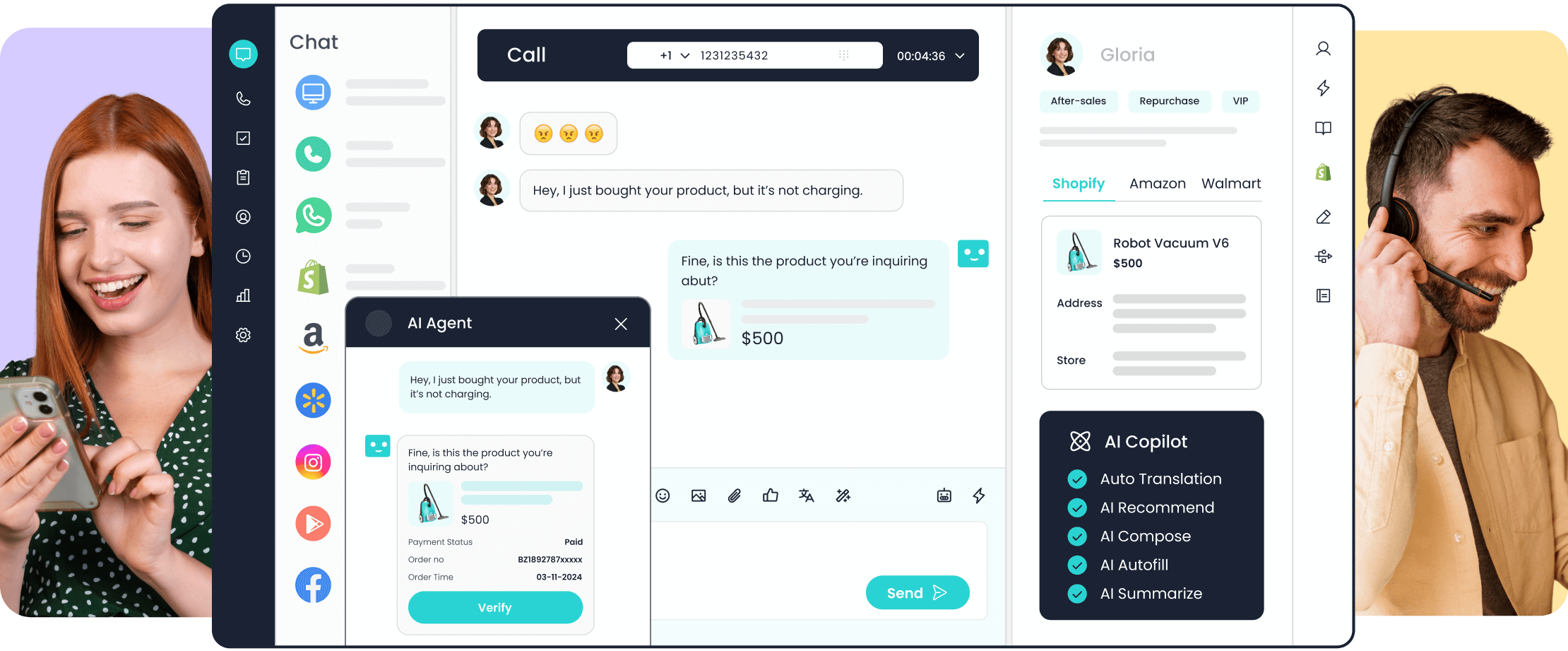
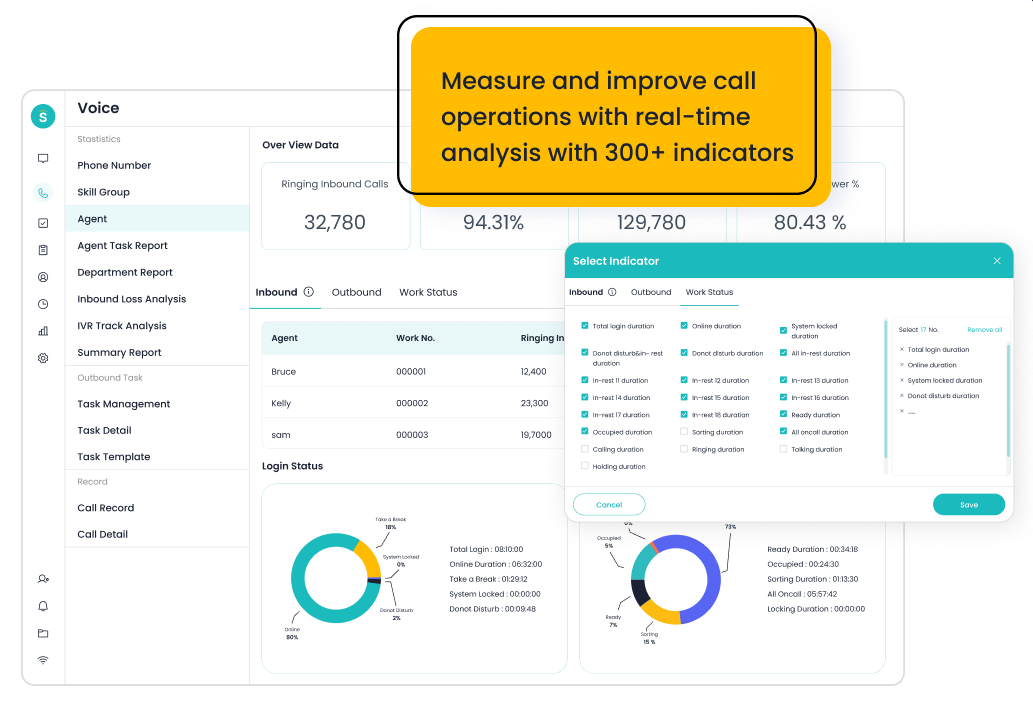
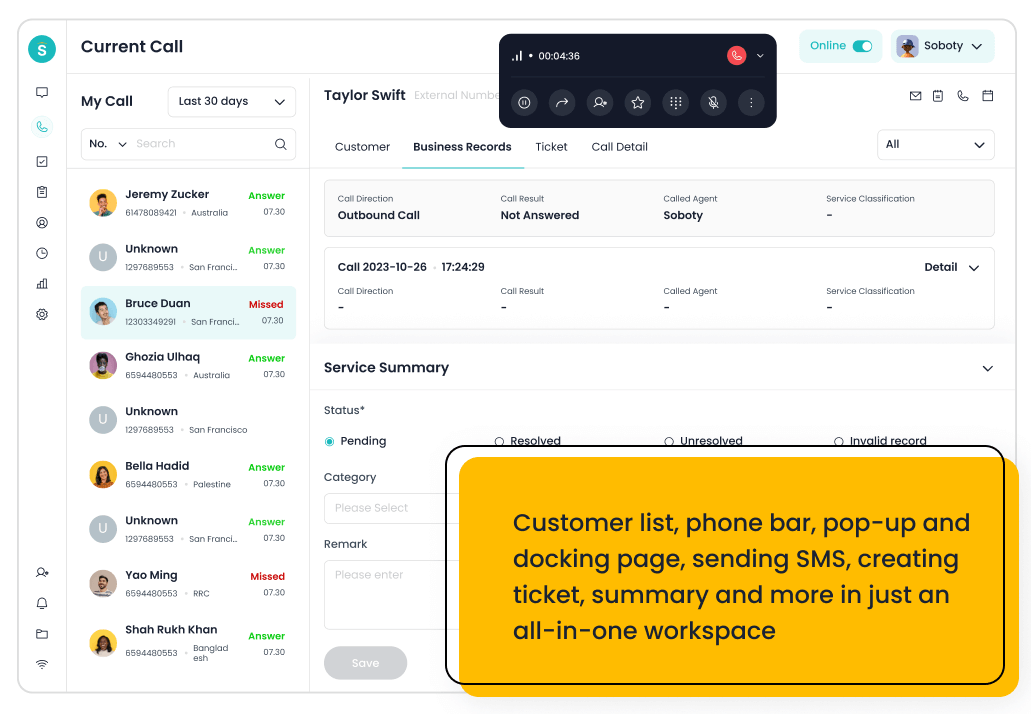
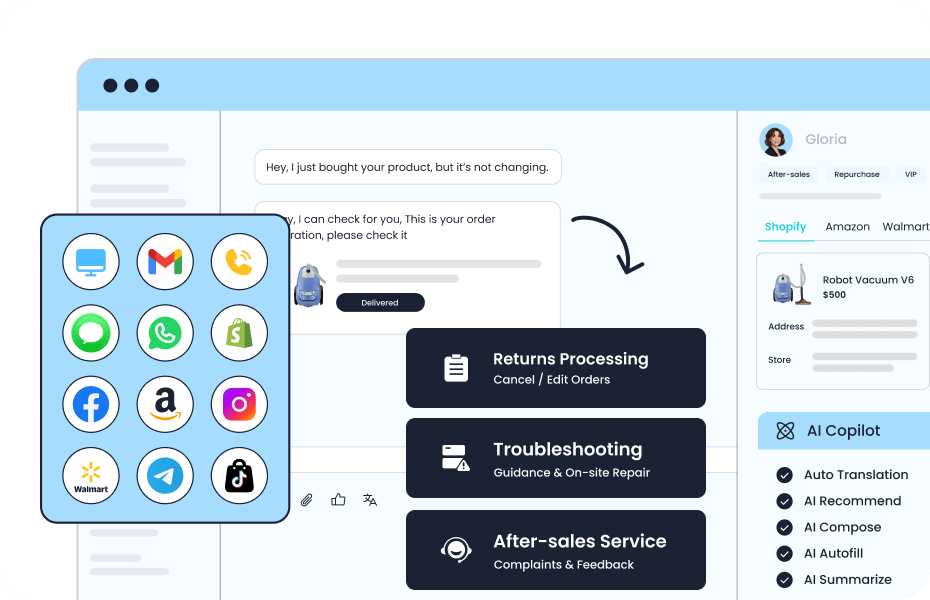
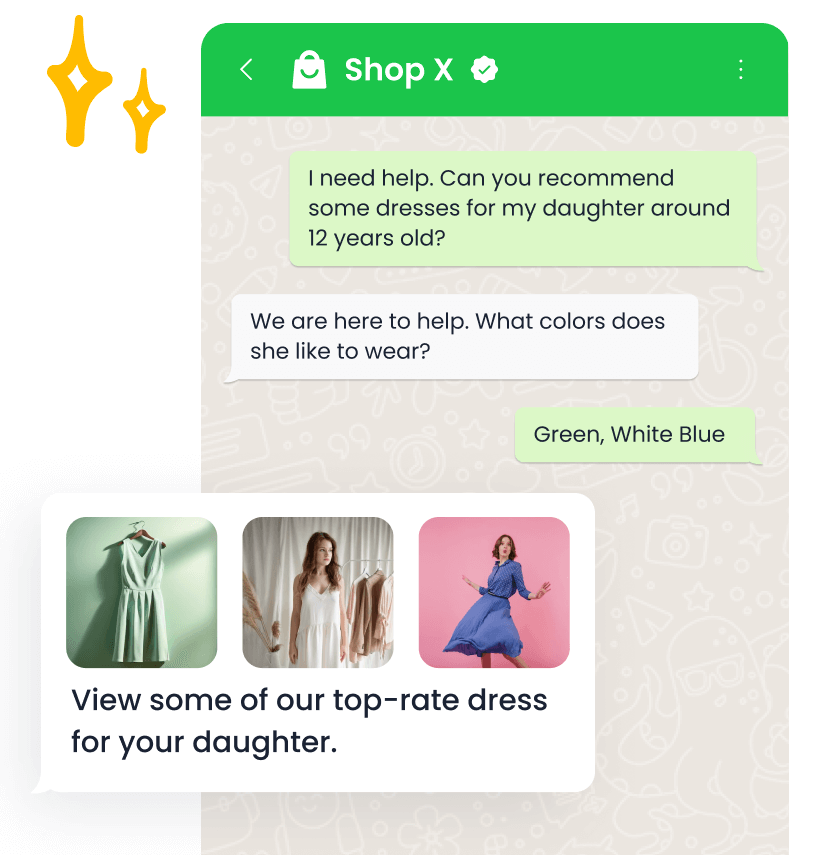
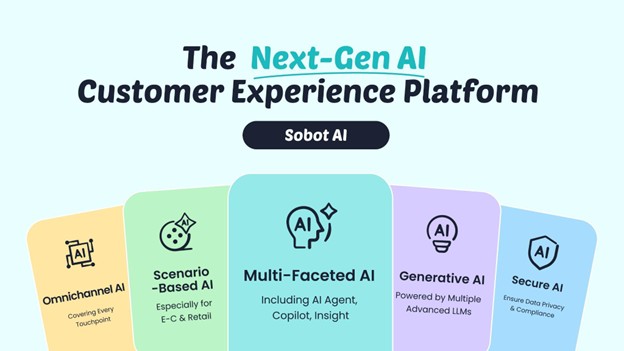
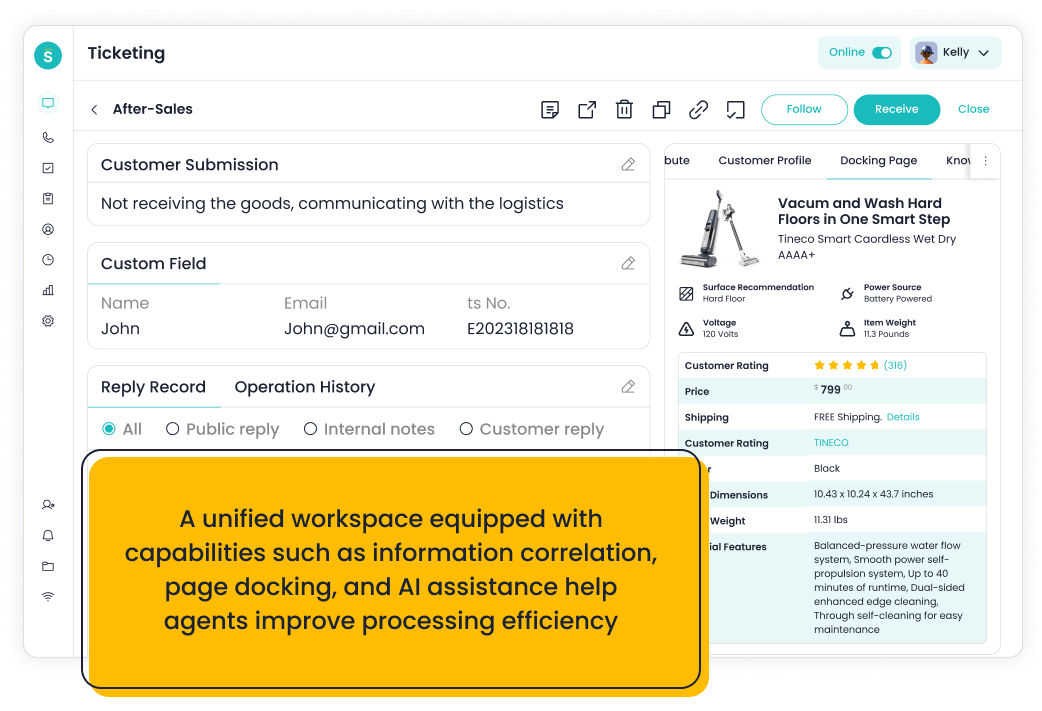
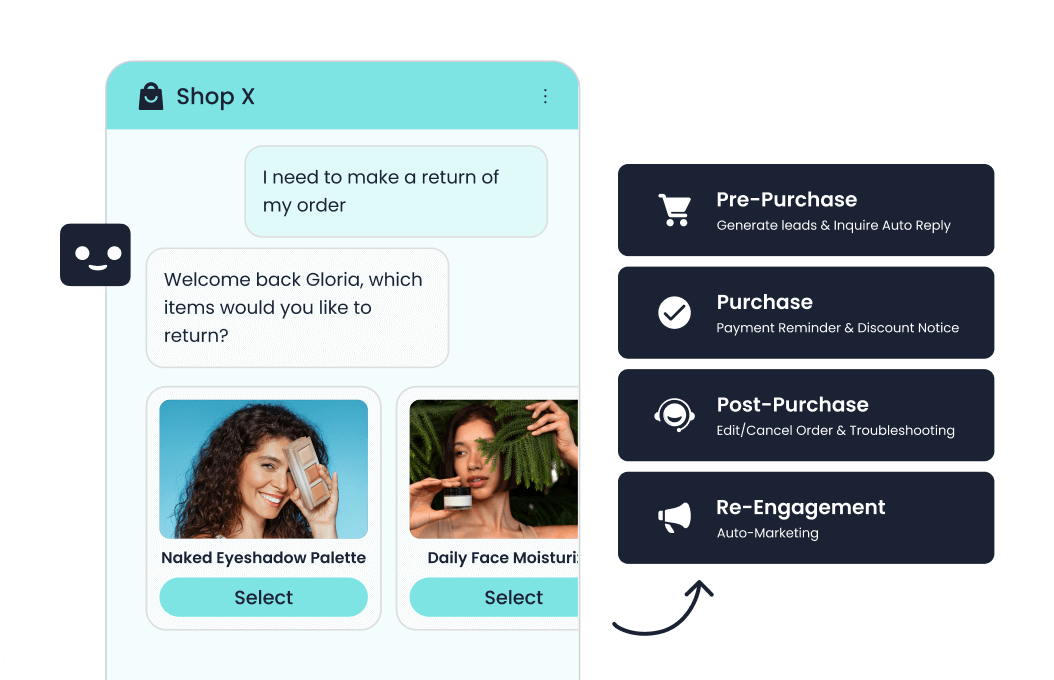
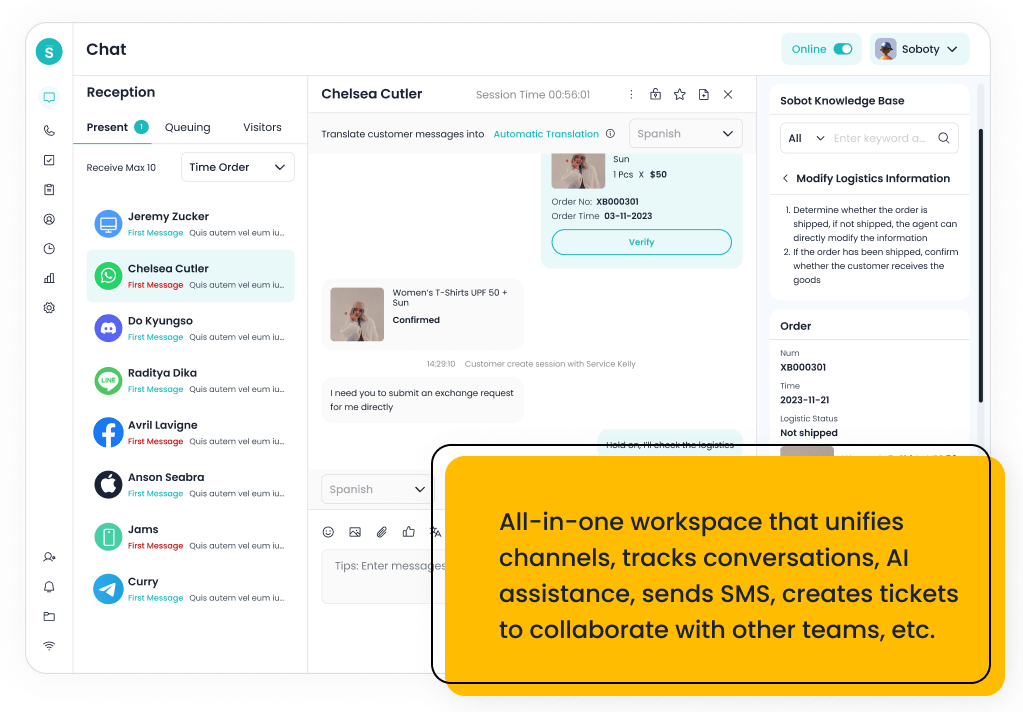
Sobot for retail and ecommerce is the strongest fit when the Zendesk replacement problem is not just ticketing. Retail teams often receive the same customer through multiple doors: website chat, WhatsApp, Amazon or marketplace messages, social, email, and phone. Sobot’s value is that AI Agent, Live Chat, Ticketing, Voice, Voicebot, and omnichannel messaging can operate around one customer service workflow.
- Retail strengths: AI-native service layer, ecommerce channel fit, WhatsApp/social support, live chat, voice escalation, unified customer context.
- Good fit: cross-border sellers, regional retail teams, marketplace-heavy support teams, and brands scaling from chat to contact center.
- Limitation: Sobot is not the cheapest simple inbox; buyers need a demo to verify exact marketplace coverage and pricing.
- Decision cue: shortlist Sobot when agents currently switch between order tools, messaging apps, and phone notes to resolve one customer issue.
2. Gorgias
Best for: Shopify-first ecommerce brands that want support close to orders, storefront workflows, and revenue context.
Gorgias is a true retail alternative rather than a generic support desk. Its strength is ecommerce specialization: order context, macros, automation, and store-connected workflows. It is especially relevant for DTC brands where Shopify is the center of the support operation. Compare it carefully with Sobot if the team also needs Amazon, Walmart, TikTok Shop, Lazada, WhatsApp, and voice support.
3. Kustomer
Best for: retail teams that need a customer-history model instead of a ticket-queue model.
Kustomer can be stronger than Zendesk when agents need a complete customer timeline. That matters when a shopper contacts support across orders, returns, loyalty programs, and multiple channels. Its trade-off is a higher buying and setup threshold than lighter helpdesk tools.
4. Freshdesk
Best for: retailers that want a practical Zendesk alternative with familiar helpdesk workflows.
Freshdesk is a good fit when the team needs ticketing, knowledge base, routing, and reporting without a heavy enterprise implementation. Its retail limitation is depth: order context, marketplace support, AI governance, and voice continuity may depend on integrations or higher-suite setup.
5. Re:amaze
Best for: smaller ecommerce teams that want chat, email, and storefront support quickly.
Re:amaze is useful for stores that need a service layer close to the shopping experience. It is less compelling for larger retail operations that require advanced AI, supervisor reporting, and phone escalation connected to digital support.
6. Tidio
Best for: early-stage stores that need live chat and accessible automation.
Tidio can be easier to deploy than a full helpdesk. It fits small stores that want a visible chat widget and basic AI automation. Larger retailers should test governance, reporting, and handoff depth before making it the main customer service system.
7. Intercom
Best for: subscription commerce, marketplace apps, and product-led customer communication.
Intercom is strong for AI messaging and in-app support. Intercom’s Fin documentation explains its resolution-based AI pricing model, which is useful for buyers comparing AI cost. Intercom is less retail-native when agents need marketplace order context and voice escalation in the same support layer.
8. Help Scout
Best for: retail teams that mainly need clean email support and a knowledge base.
Help Scout keeps support simple. That can be a strength for smaller brands, but it is not the best choice when the team needs AI contact-center depth, social commerce workflows, or marketplace-heavy operations.
Retail Support Fit Model
| Retail Situation | Best Shortlist | Why |
|---|---|---|
| Shopify-first DTC brand | Gorgias, Sobot, Kustomer | Order context and customer history matter most. |
| Marketplace + Shopify + WhatsApp | Sobot, Kustomer, Freshdesk | Channel continuity matters more than a ticket queue. |
| Small store with low volume | Tidio, Re:amaze, Help Scout | Fast setup and simple inbox workflows may be enough. |
| Retail team with phone escalation | Sobot, Kustomer, contact-center tools | Voice needs to connect back to digital context. |
| General support desk migration | Freshdesk, Zoho Desk, Help Scout | Helpdesk adoption and cost control are the main drivers. |
What Retail Teams Should Test Before Switching
Use real journeys, not feature checklists. Ask each vendor to handle a delayed order, a return request, a delivery complaint, a product question, and a high-value customer escalation. The demo should show order context, AI response, agent handoff, refund or return workflow, and reporting.
Also test channel switching. Start in live chat, move to WhatsApp, then escalate to voice. If the agent has to ask the customer to repeat order details, the platform is not solving the retail support problem. A good Zendesk alternative should reduce the number of systems an agent opens to answer a common buyer question.
Retail Migration Checklist
Before replacing Zendesk, document the workflows that create the most agent work. For retail teams, that usually means order status, return eligibility, refund disputes, damaged shipments, delivery changes, product questions, loyalty issues, and marketplace messages. Each workflow should list the channel where it starts, the data an agent needs, the systems currently opened, and the rule that decides whether AI can answer or a human must review.
Next, separate customer messages into three groups. The first group is safe to automate, such as routine delivery updates or product information that comes from approved knowledge. The second group is agent-assisted, where AI can draft and summarize but a person approves the answer. The third group is always human, such as high-value complaints, refund exceptions, fraud concerns, or policy-sensitive marketplace issues. This keeps a new platform from turning AI into a risk.
Finally, migrate channels in priority order. A retailer with heavy marketplace volume should not start with a low-volume web form. A brand with WhatsApp support should test templates, opt-in rules, and handoff logic early. A team with frequent delivery complaints should test voice escalation before launch, not after the first angry customer calls.
Retail AI Guardrails
AI can improve retail support when it is used for the right work. It can answer repetitive shipping questions, suggest return instructions, summarize long conversations, translate messages, and help agents respond faster. It should not automatically approve refunds, override marketplace rules, or make account-sensitive promises unless the workflow has explicit approval logic.
Use this rule: AI can resolve low-risk, knowledge-backed questions; AI can assist medium-risk questions; humans should own high-risk questions. The best platform makes those guardrails easy to configure and review. Sobot’s fit is strongest when AI Agent handles routine retail intents while agents retain control over exceptions and voice escalations.
Success Metrics After Migration
After switching, measure whether the new platform reduces retail friction. Track first-response time by channel, order lookup time, repeat contact rate, return/refund escalation rate, AI containment rate, agent after-work time, voice escalation quality, and customer satisfaction by channel. These metrics reveal whether the platform is improving operations or only changing the interface.
Retail managers should also review unresolved journeys weekly. Look for cases where a shopper moved from website chat to WhatsApp to phone and still needed another follow-up. Those cases usually reveal weak knowledge, missing order context, unclear escalation rules, or poor agent permissions. A strong Zendesk alternative should make those improvement opportunities visible.
Vendor Fit Notes for Retail Buyers
Sobot fits retailers that need omnichannel service with AI and voice, especially when the team handles marketplace messages, WhatsApp, live chat, and phone escalation. Gorgias fits Shopify-first DTC brands that want storefront-native workflows. Kustomer fits teams that need one customer timeline across orders and conversations. Freshdesk fits retailers that want a familiar helpdesk and lower implementation complexity. Tidio, Re:amaze, and Help Scout fit smaller stores where speed and simplicity matter more than contact-center depth.
Retail Channel Scorecard
| Channel | Retail Risk | What the Alternative Must Show |
|---|---|---|
| Website live chat | High-intent shoppers may leave if support is slow. | Fast handoff, product context, AI suggestions, and agent visibility. |
| Marketplace messages | Agents need order context and policy discipline. | Clear workflow for Amazon, Walmart, TikTok Shop, Lazada, or other marketplace queues. |
| WhatsApp and social | Conversations are informal but commercially important. | Templates, routing, opt-in handling, AI assistance, and escalation rules. |
| Email tickets | Longer issues can hide repeat-contact patterns. | Tags, macros, SLAs, customer history, and reporting by intent. |
| Voice | Urgent complaints and high-value orders often escalate by phone. | Call history, summary, recording, routing, and digital follow-up inside one customer journey. |
This scorecard often explains why a generic ticketing replacement is not enough for retail. The more channels affect revenue or account health, the more important it becomes to connect AI, context, and human handoff.
Next Step for Sobot Buyers
If your retail team is replacing Zendesk because agents work across too many disconnected channels, prepare three sample journeys: one marketplace message, one Shopify or website chat, and one phone escalation. Ask Sobot to show how AI Agent, Live Chat, WhatsApp, ecommerce context, and Voice connect across those journeys. Start with Sobot’s retail solution or book a demo with your top channels, monthly ticket volume, and highest-frequency order questions.
Frequently Asked Questions
What is the best Zendesk alternative for ecommerce?
Sobot is best when ecommerce support spans marketplaces, live chat, WhatsApp, AI, ticketing, and voice. Gorgias is best when Shopify is the center of the support operation. Retail teams should compare whether order context, handoff, and reporting stay connected across every customer channel.
Is Gorgias better than Zendesk for retail?
Gorgias can be better than Zendesk for Shopify-first retail brands because it is built around ecommerce support workflows. Zendesk may still fit general support teams with broader helpdesk requirements. Sobot is stronger when retail support is omnichannel, marketplace-heavy, AI-assisted, and voice-enabled.
Which Zendesk alternative is easiest for a small online store?
Tidio, Re:amaze, Help Scout, and Freshdesk are easier for small online stores that want fast setup and familiar support workflows. Sobot becomes more relevant when the store has marketplace volume, WhatsApp support, AI automation needs, or phone escalation. The decision should reflect growth path, not only current team size.
What should retailers compare before switching from Zendesk?
Retailers should compare order context, channel coverage, AI controls, return and refund workflows, voice escalation, reporting, and total implementation effort. Do not compare only ticket views and seat prices. A useful demo should show a real order question moving from AI to agent to follow-up without losing customer context.
Can AI handle ecommerce customer service safely?
AI can safely draft answers, summarize context, and resolve routine order questions when knowledge, policies, and fallback rules are clear. Refund disputes, account-sensitive cases, and policy exceptions should still have human review. Ecommerce teams should track automation success by intent and channel instead of assuming one AI rate applies everywhere.
Which platform is best for cross-border retail support?
Sobot is a strong fit for cross-border retail teams because it combines AI, live chat, WhatsApp, ecommerce support, ticketing, and voice. Teams should verify exact marketplace integrations, regional channels, language needs, and implementation requirements during demo. Gorgias, Freshdesk, and Kustomer may still fit narrower retail operating models.