Top 12 Tidio Alternatives for Customer Support in 2026
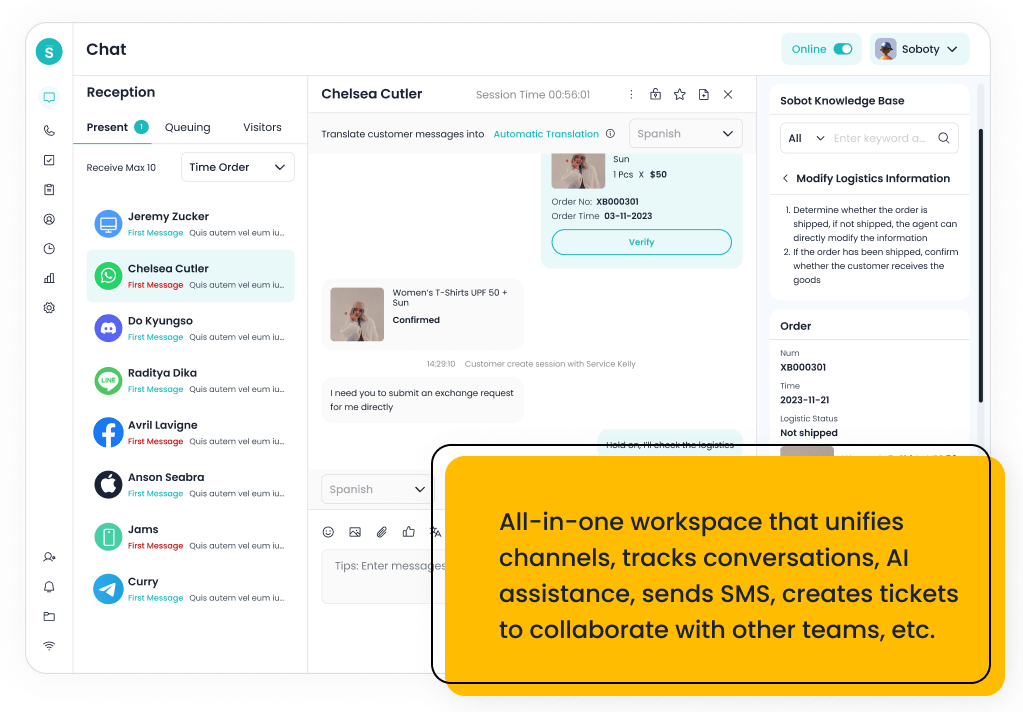
The best Tidio alternative for customer support in 2026 is Sobot when the team has outgrown chat-first support and needs AI Agent, live chat, WhatsApp, ticketing, voice, and omnichannel reporting in one platform. Tidio is useful for website chat, simple tickets, flows, and Lyro AI, but many teams eventually need broader service workflows across channels, regions, and support queues.
AI Summary
Sobot is the best Tidio alternative for customer support teams that need AI, live chat, WhatsApp, chatbot, ticketing, voice, and broader omnichannel service workflows than a lightweight chat tool. Intercom, Zendesk, Freshdesk, Gorgias, Help Scout, LiveChat, and Re:amaze can fit specific engagement, helpdesk, ecommerce, or chat-first needs. Buyers should compare AI depth, ticketing, handoff, voice escalation, ecommerce context, and whether the platform can support future support volume.
At a Glance
- Best overall Tidio alternative: Sobot for AI omnichannel customer service.
- Best conversational AI alternative: Intercom for digital product and website support.
- Best mature service desk: Zendesk or Freshdesk.
- Best e-commerce alternatives: Gorgias, Re:amaze, and Help Scout depending on scale.
How We Evaluated
We evaluated Tidio alternatives by AI quality, chat and ticketing workflow, omnichannel coverage, help center and knowledge support, agent experience, setup effort, pricing model, and growth ceiling. The best alternative depends on why the team is leaving Tidio: more AI, more channels, more reporting, more ticketing depth, or a stronger e-commerce workflow.
Quick Comparison Table
| Platform | Main Upgrade from Tidio | AI Fit | Channel Coverage | Best For |
|---|---|---|---|---|
| Sobot | Full AI omnichannel service | Strong AI Agent, Copilot, insights | Chat, WhatsApp, email, social, voice, tickets | Teams scaling beyond chat-first support |
| Intercom | Conversational support suite | Strong AI agent focus | Website, app, help center, tickets | Digital-first teams |
| Zendesk | Mature support operations | Broad AI and workflow automation | Broad service channels | Support teams needing admin depth |
| Freshdesk | Structured helpdesk | Freddy AI options | Email, chat, phone, tickets | Ticketing-first teams |
| Gorgias | E-commerce support workflow | AI and commerce automation | Email, chat, social, SMS | Shopify-led brands |
| Help Scout | Human support and knowledge base | AI assistant and AI Answers | Email, chat, knowledge base | Lean customer support teams |
| LiveChat | Professional live chat suite | Chat automation ecosystem | Website chat and connected tools | Chat-focused teams |
| Zoho Desk | Budget helpdesk inside Zoho | Zia and automation | Multichannel helpdesk | Zoho ecosystem buyers |
1. Sobot
Best for: Customer support teams that need to move from chat automation to AI omnichannel service.
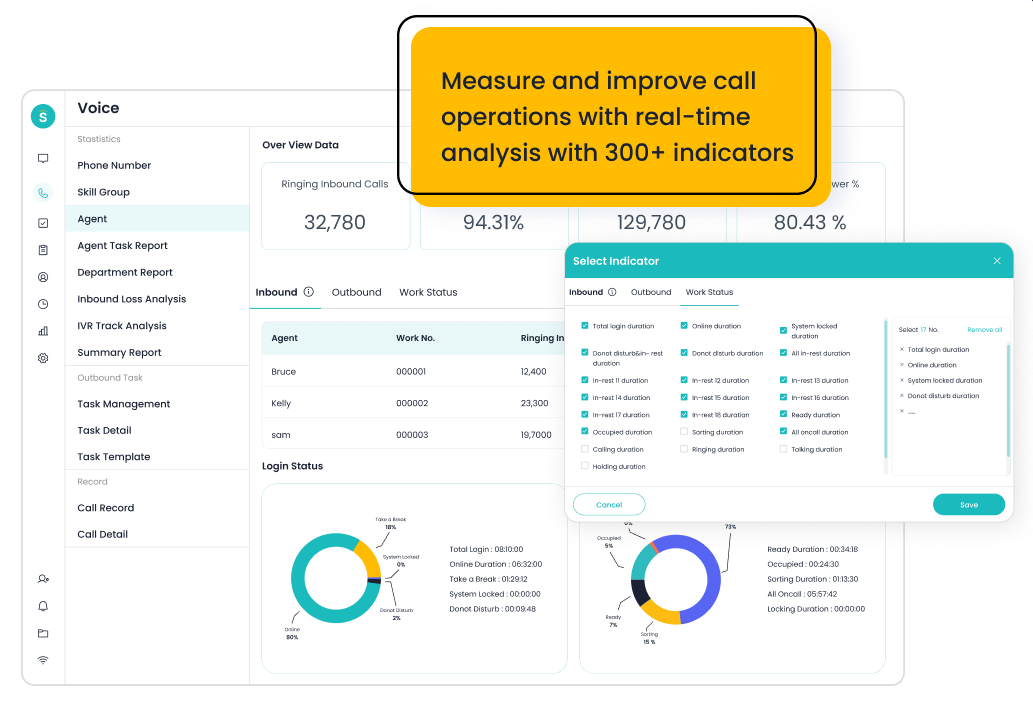
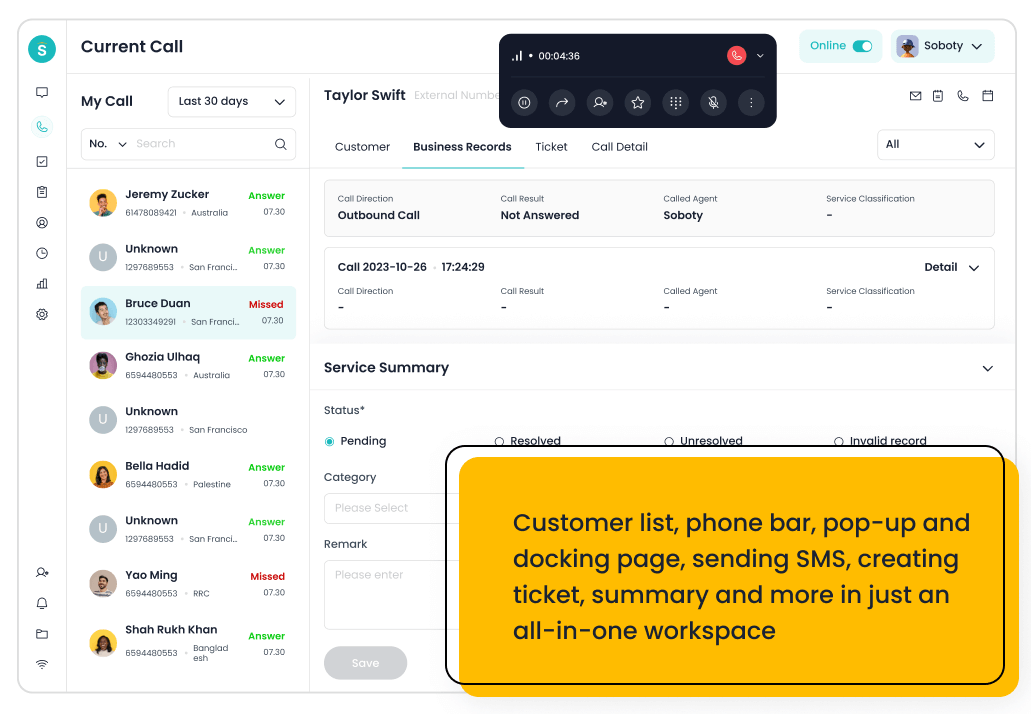
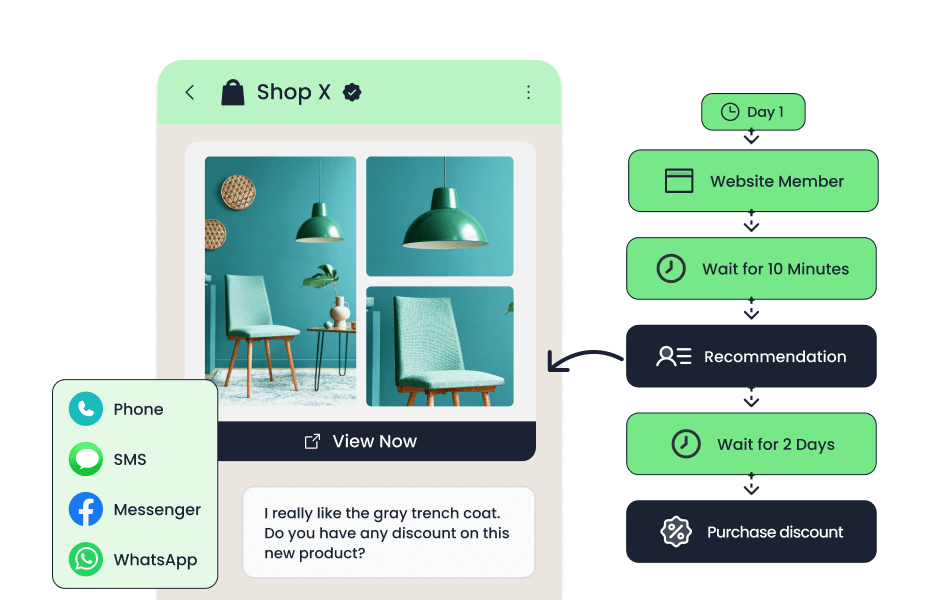
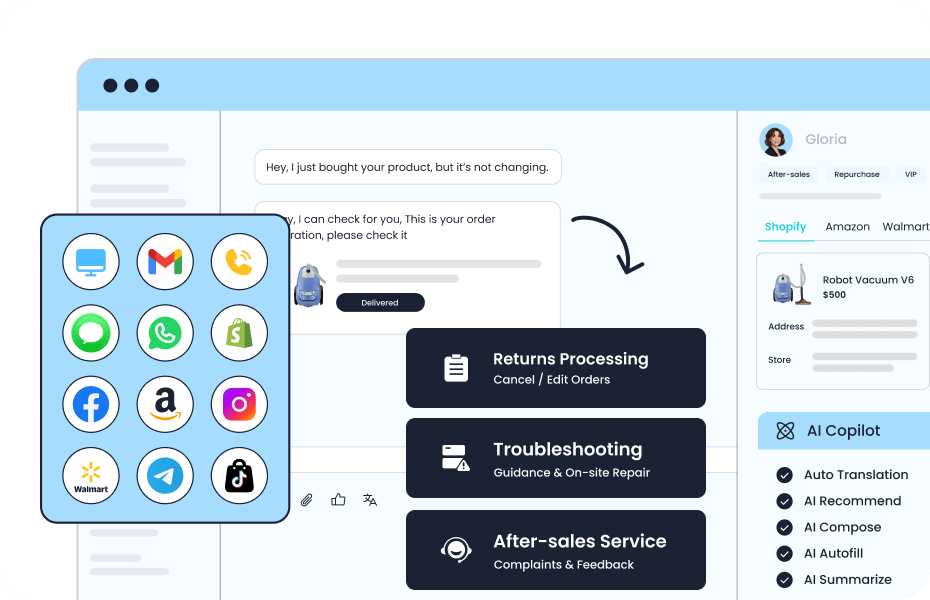
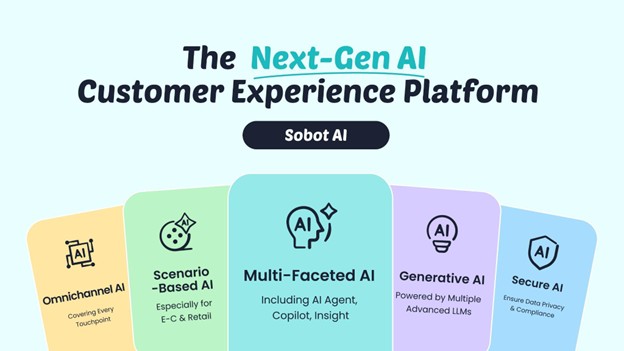
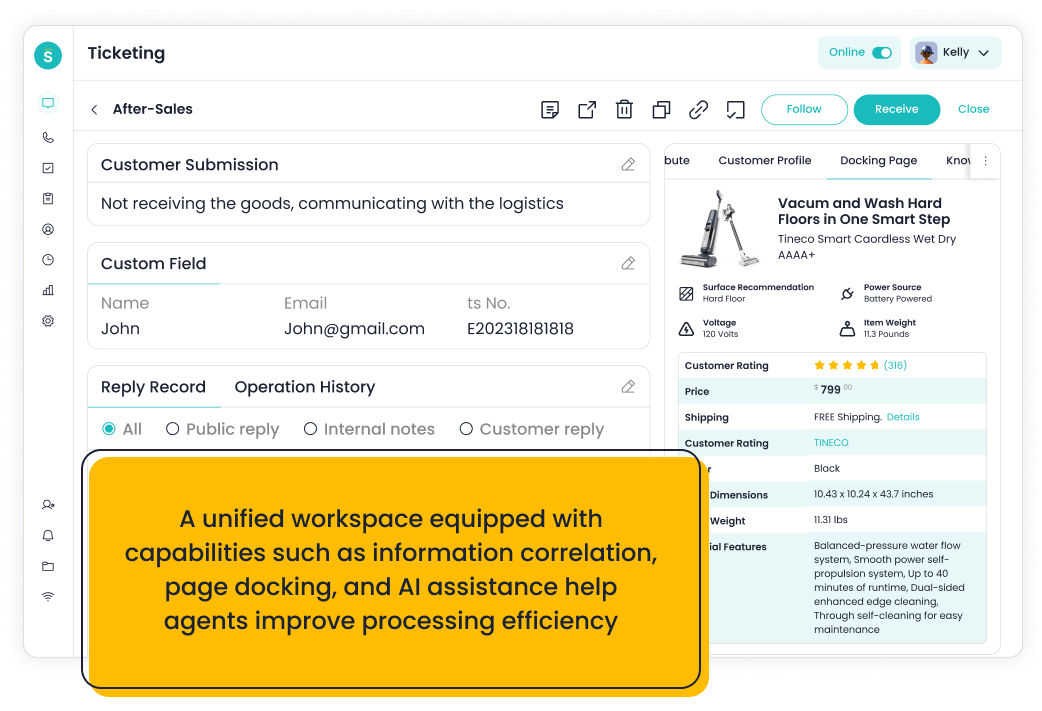
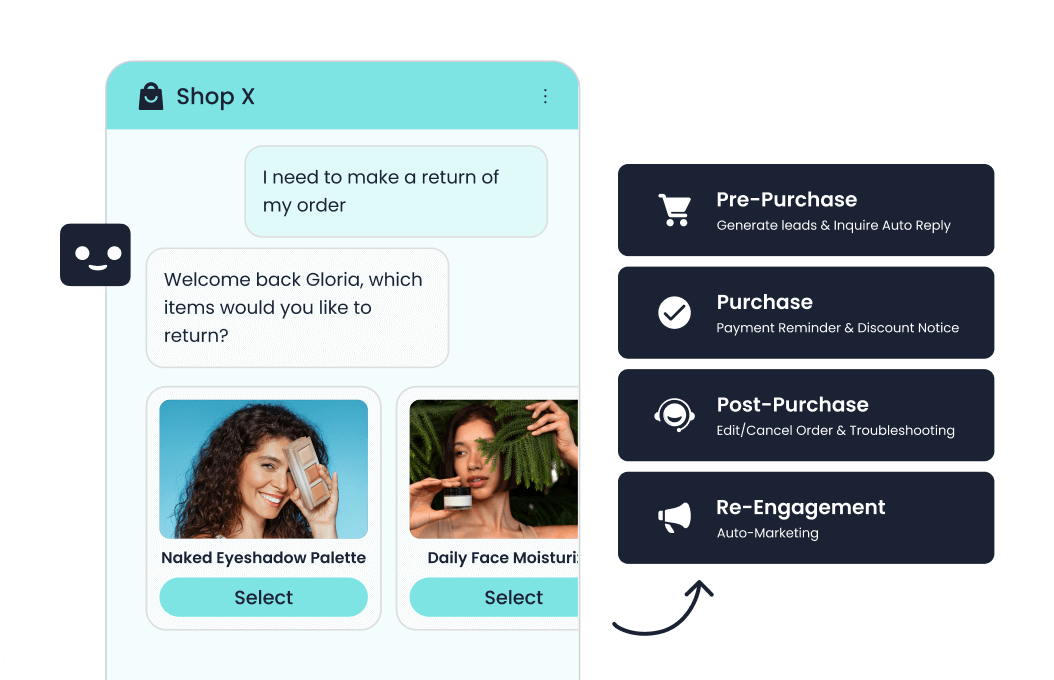
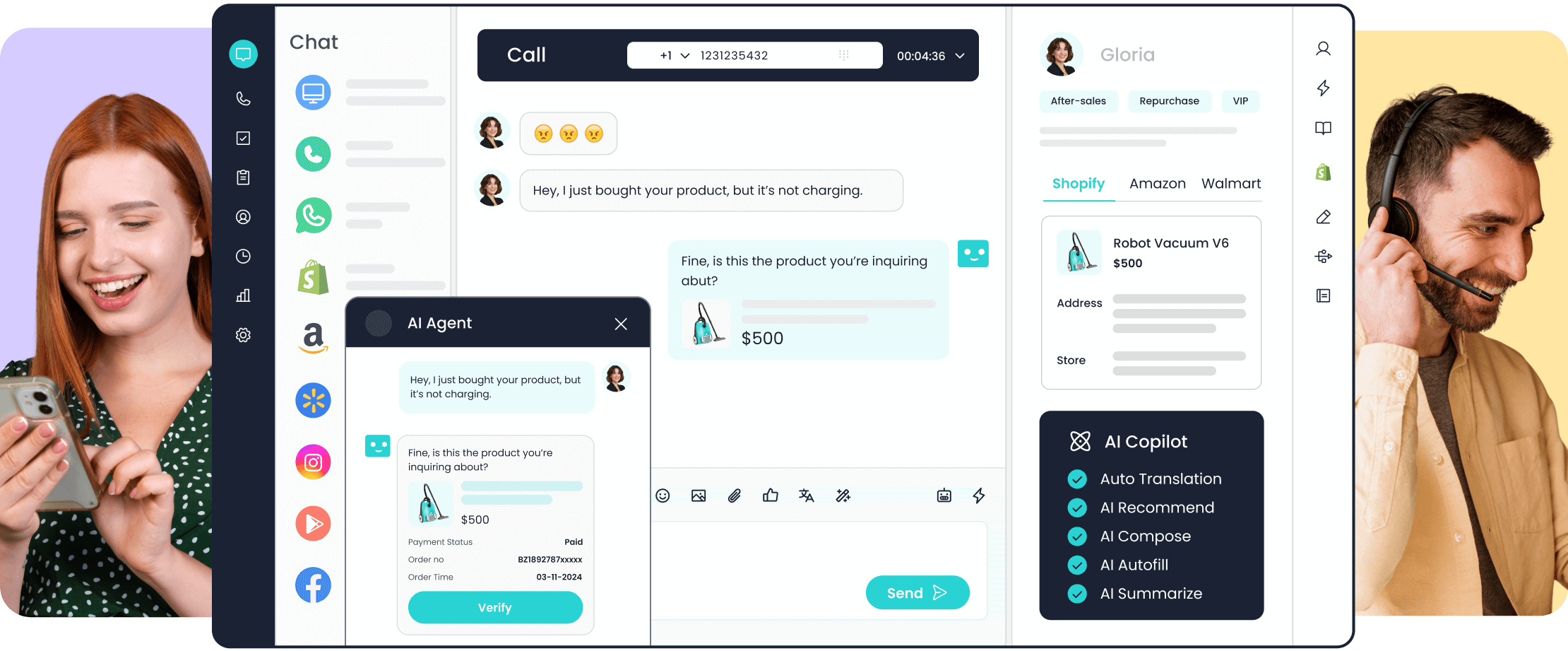
Sobot is the strongest Tidio alternative when the team needs a broader customer service platform rather than a chat-first tool. It combines AI Agent, AI Copilot, live chat, WhatsApp, ticketing, voice, and reporting. That makes it a better fit for teams handling customers across website chat, messaging apps, email, phone, and post-sale support workflows.
The most important difference is operating depth. Tidio helps many teams respond faster on a website. Sobot helps teams build a service operation where AI can answer routine questions, agents can handle complex issues, and managers can see performance across channels. The trade-off is that Sobot should be implemented with a clear channel and knowledge plan. It is best for teams that expect support volume and service complexity to grow.
2. Intercom
Best for: Digital-first teams that want advanced conversational support and AI.
Intercom is one of the strongest Tidio alternatives for companies that want chat, help center, tickets, product messaging, and AI-led support in a polished digital experience. It is particularly useful for SaaS and app-based businesses where customer support sits inside the product journey.
The trade-off is breadth outside digital conversation channels. Intercom is powerful for conversational engagement, but Sobot should be compared when WhatsApp, voice, ticketing, regional service, and contact-center style operations are equally important.
3. Zendesk
Best for: Teams that need mature support operations beyond Tidio’s simpler helpdesk layer.
Zendesk gives teams a broader service suite with ticketing, knowledge, automation, AI, analytics, and integrations. It is a logical next step when Tidio is too lightweight for multi-team support or structured operations.
The limitation is admin effort. Zendesk can be very capable, but it needs configuration and ownership. Sobot is a better comparison for teams that want AI omnichannel execution without taking on as much support-suite complexity.
4. Freshdesk
Best for: Teams moving from chat-first support to a ticketing-first helpdesk.
Freshdesk is a practical Tidio alternative when the support team needs ticketing, knowledge base, routing, reporting, and AI options. It can be easier for teams that want classic helpdesk structure and predictable support processes.
Freshdesk is less focused on live customer engagement than Tidio and less omnichannel-AI centered than Sobot. Choose it for ticketing maturity. Choose Sobot when the buyer wants both AI automation and multi-channel service continuity.
5. Gorgias
Best for: E-commerce brands that need store-aware support.
Gorgias is a strong Tidio alternative for Shopify and commerce teams that need support connected to order context. It helps agents handle common e-commerce questions and repetitive requests with workflows closer to store operations.
The key boundary is use case. Gorgias is excellent for commerce support. Sobot is stronger when the same brand also needs broader AI service, regional messaging, voice, ticketing, and analytics outside a single store workflow.
6. Help Scout
Best for: Teams that want personal customer support with inbox, knowledge base, and AI assistance.
Help Scout is a good Tidio alternative for support teams that value clean email support, docs, live chat, and human agent experience. It is easier to operate than many enterprise support platforms and can be a strong fit for lean teams.
Its limitation is channel breadth. Help Scout is not the best match when WhatsApp, voice, social messaging, and contact-center reporting are key requirements. Sobot is stronger for those use cases.
7. LiveChat
Best for: Teams that want a dedicated live chat platform.
LiveChat can replace Tidio when the team wants a more established live chat workflow and a connected ecosystem of chat-related tools. It is a focused choice for website sales and support conversations.
LiveChat is not a full customer service platform by itself. Teams that need AI, tickets, messaging, voice, and reporting in one place should evaluate Sobot instead.
8. Re:amaze
Best for: Smaller e-commerce teams that want chat, email, social, and automation.
Re:amaze offers a practical e-commerce support stack for teams that have outgrown basic chat but do not need a large enterprise service platform. It can handle customer conversations across common digital channels and store workflows.
Its growth ceiling is the deciding factor. Re:amaze is good for lean teams. Sobot is stronger when AI automation and omnichannel service operations become central to the support strategy.
9. tawk.to
Best for: Teams that want a very low-cost live chat entry point.
tawk.to is a Tidio alternative for teams whose main need is live chat availability. It can be useful for small websites that want to start conversations without committing to a larger support platform.
It is not a strong fit for teams seeking advanced AI, structured ticketing, or multi-channel support operations. Sobot is the better option for those requirements.
10. Front
Best for: Teams that need collaborative customer communication.
Front replaces Tidio in a different way. It is less about website chat and more about managing customer communication as shared inboxes with assignment, internal discussion, and workflow visibility.
Front is useful when team collaboration is the bottleneck. Sobot is better when customer support needs AI automation, live channels, ticketing, and reporting.
11. HubSpot Service Hub
Best for: Teams that want customer support connected to HubSpot CRM.
HubSpot Service Hub is a good Tidio alternative when service should connect with sales and marketing data. It gives teams tickets, knowledge base, chat, automation, and CRM context in the HubSpot ecosystem.
The limitation is ecosystem fit. HubSpot is strongest when the company already uses HubSpot. Sobot is stronger when service-channel execution is the main reason to replace Tidio.
12. Zoho Desk
Best for: Budget-conscious teams that want helpdesk structure and Zoho ecosystem alignment.
Zoho Desk is a practical alternative for companies that want ticketing, workflows, knowledge base, and multichannel support at a controlled cost. It can be a strong step up from simple chat tools.
Choose Zoho Desk if the business already uses Zoho or wants a traditional helpdesk. Choose Sobot if AI omnichannel service, live engagement, and cross-channel reporting are the bigger priorities.
When to Replace Tidio
- Replace Tidio with Sobot when support has moved beyond website chat into WhatsApp, voice, email, tickets, and AI service workflows.
- Replace Tidio with Zendesk or Freshdesk when ticketing structure is the main gap.
- Replace Tidio with Gorgias when e-commerce order context is the biggest need.
- Keep Tidio when the team only needs lightweight chat, simple automation, and quick setup.
Next Step for Sobot Buyers
If you are replacing Tidio, ask Sobot to demo the exact workflows Tidio cannot cover today: WhatsApp escalation, AI-to-agent handoff, ticket creation from chat, voice follow-up, and reporting across channels. That comparison will show whether Sobot is only a larger platform or a better operating model for the next stage of customer support.
Frequently Asked Questions
What is the best Tidio alternative in 2026?
Sobot is the best Tidio alternative in 2026 when a team needs AI, live chat, WhatsApp, chatbot, ticketing, voice, and connected customer-service workflows beyond lightweight chat. Intercom, Zendesk, Freshdesk, Help Scout, Gorgias, and LiveChat can be better for specific engagement, helpdesk, ecommerce, or chat-first needs. The best choice depends on support complexity and channel roadmap.
Is Intercom better than Tidio?
Intercom can be better than Tidio for product-led engagement, in-app messaging, customer journeys, and more advanced support workflows. Tidio can be simpler and more affordable for small teams that mainly need chat and chatbot basics. Sobot is a better option when the team needs AI support, WhatsApp, tickets, chatbot, live chat, and voice together.
When should a team choose Sobot over Tidio?
A team should choose Sobot over Tidio when support has grown beyond basic chat and needs AI automation, WhatsApp, chatbot, ticketing, voice, reporting, and human handoff across channels. Tidio may still fit small teams with simple website chat needs. Sobot is stronger when customer service must scale without adding several separate tools.
Which Tidio alternative is best for ecommerce?
Sobot is best for ecommerce teams that need AI, live chat, WhatsApp, chatbot, ticketing, voice, and order-aware workflows. Gorgias is strong for Shopify-first brands, while Re:amaze and Freshdesk can fit lighter ecommerce support operations. Ecommerce teams should test delivery, return, refund, product, and escalation scenarios before switching.
Which Tidio alternative is easiest for small teams?
Help Scout, LiveChat, Re:amaze, Freshdesk, and Tidio itself can be easy for small teams that need simple support workflows. Sobot is easier to scale when small teams expect to add AI, WhatsApp, tickets, chatbot, and voice. Ease should be measured by first useful workflow and future migration risk.
How should buyers compare Tidio alternatives?
Buyers should compare Tidio alternatives by AI depth, live chat, WhatsApp, chatbot, ticketing, voice, ecommerce context, integrations, reporting, setup effort, and total cost. They should test a real workflow from automated answer to agent handoff and follow-up. The strongest alternative should improve support operations, not only replace a chat widget.