10 Zendesk Alternatives for True Omnichannel Customer Support in 2026
True omnichannel support is not the same as adding more inbox channels. The better Zendesk alternative is the platform that keeps customer identity, order context, AI automation, conversation history, and reporting connected across the channels that actually create your support volume. This matters because the strongest AI and contact-center forecasts now assume service platforms can act across journeys, not just answer isolated tickets.
At a Glance
- Sobot: best for omnichannel teams that need AI, WhatsApp, ecommerce marketplace context, live chat, and voice together.
- Freshdesk: best for SMBs that want broad support channels in a familiar helpdesk.
- Kustomer: best for customer-history continuity.
- Salesforce Service Cloud: best for enterprise CRM-driven omnichannel workflows.
- Gorgias: best for Shopify-heavy ecommerce support.
- Respond.io or Omnichat: best for WhatsApp/social-first teams that do not need a full voice contact center.
How We Evaluated Omnichannel Depth
We evaluated each Zendesk alternative by continuity, not channel count. The key criteria were customer identity, conversation history, order or account context, AI automation across channels, routing and handoff, voice/digital continuity, WhatsApp and social coverage, and reporting. A platform that supports many channels but cannot preserve context across them is multichannel, not truly omnichannel. Third-party directories such as the G2 help desk software category can help verify market presence, but the final test should be a real cross-channel journey.
The Omnichannel Stress Test
Before comparing logos, run a stress test that mirrors the way customers actually move. Start with a customer asking a product question on live chat. Then have the same customer send an order-status message through WhatsApp. Next, escalate the issue to voice because the delivery is urgent. Finally, ask an agent or supervisor to review the full history and report what happened.
A true omnichannel platform should keep the customer identity, conversation history, order context, AI summary, routing decision, and reporting trail connected. A multichannel helpdesk will often pass the first part of the test because it can receive messages from many places. It fails later when agents must search across separate tools, re-ask the customer for information, or manually rebuild the history before escalation.
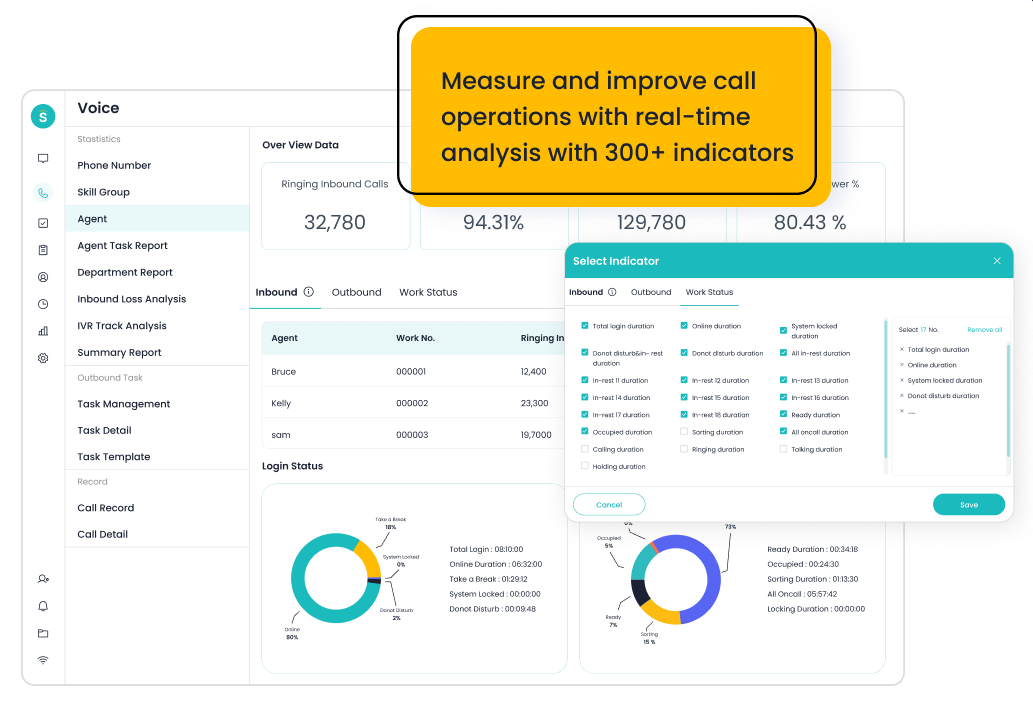
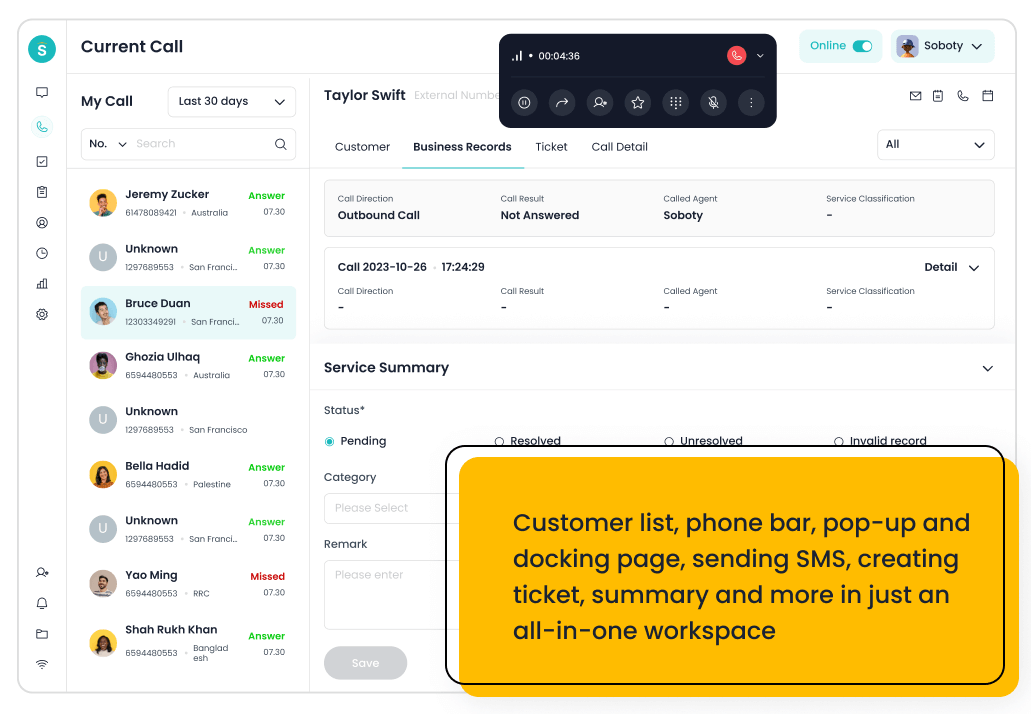
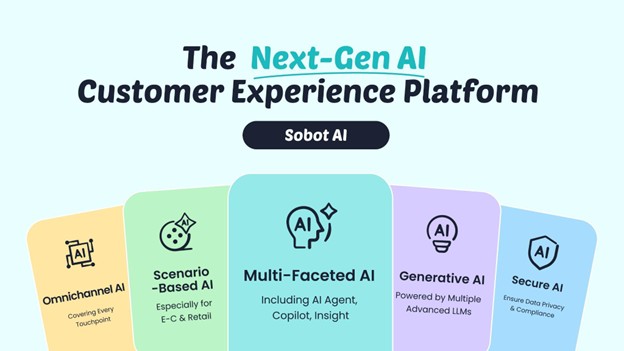
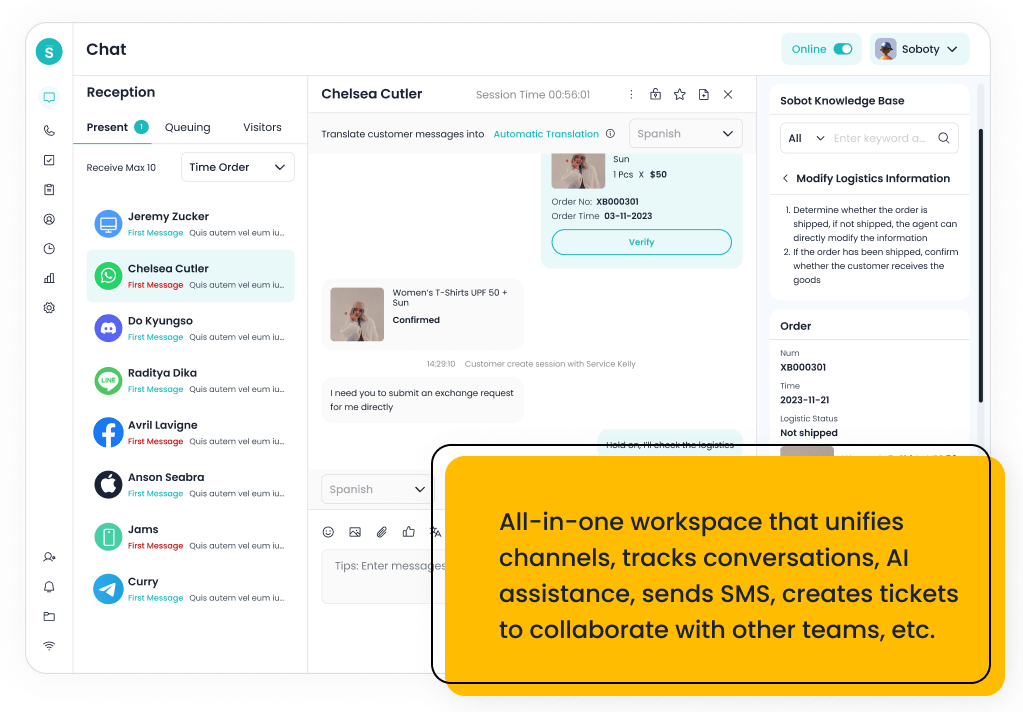
This is the practical reason Sobot belongs near the top of an omnichannel shortlist. It is not only offering multiple entry points. It is trying to keep AI Agent, live chat, WhatsApp, social messaging, ecommerce context, ticketing, voice, and Voicebot inside one service operation.
Quick Comparison Table
| Platform | Best For | Omnichannel Strength | Main Limitation |
|---|---|---|---|
| Sobot | AI omnichannel contact center | Live chat, WhatsApp, social, ecommerce, voice, AI Agent | Demo-led pricing |
| Freshdesk | SMB multichannel support | Broad helpdesk channels and easy adoption | Advanced continuity can depend on suite setup |
| Kustomer | Customer timeline | Customer-centric conversation history | Higher buying threshold |
| Salesforce Service Cloud | CRM-centered service | Deep CRM data and enterprise process | Heavy implementation for non-Salesforce teams |
| Intercom | Product-led messaging | In-app and web messaging continuity | Less complete for voice-heavy operations |
| Gorgias | Shopify ecommerce | Order context and storefront workflows | Less broad outside ecommerce |
| Respond.io | WhatsApp/social messaging | Messaging automation and social channels | Voice/contact-center depth is limited |
| Omnichat | Asia social commerce | WhatsApp, social, and regional commerce channels | International enterprise footprint is narrower |
| LiveAgent | Budget multichannel | Many support channels in one system | AI and modern workflow depth are weaker |
| Sprinklr Service | Enterprise social service | Governance and social coverage | Complex and expensive for smaller teams |
The 10 Best Omnichannel Zendesk Alternatives
1. Sobot
Best for: teams that need online support, WhatsApp, ecommerce channels, AI, and voice to work as one support operation.
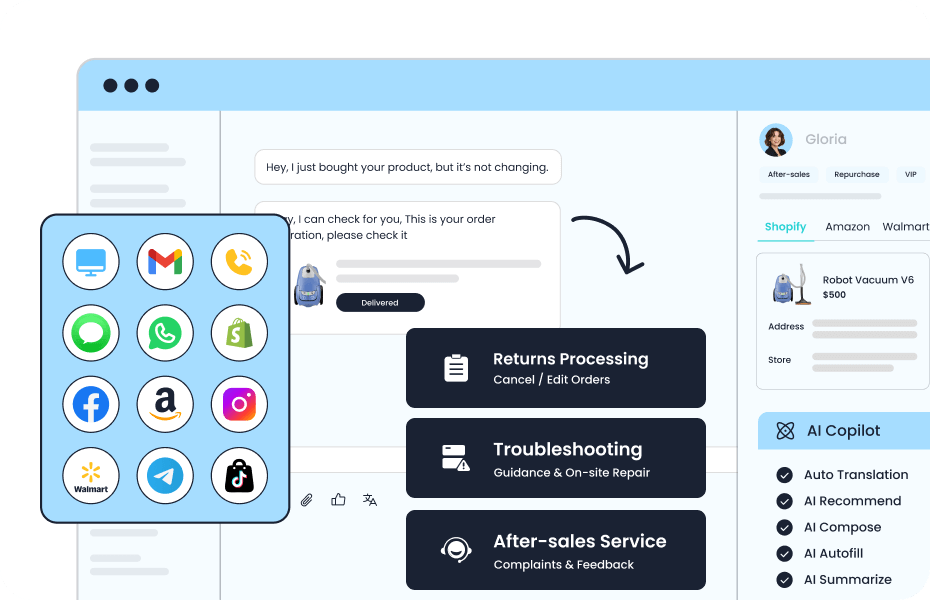
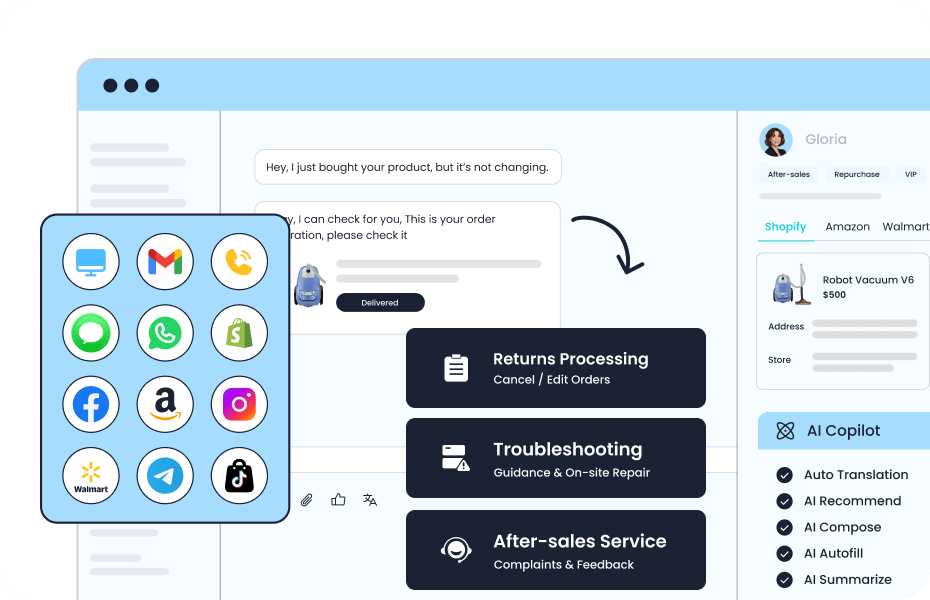
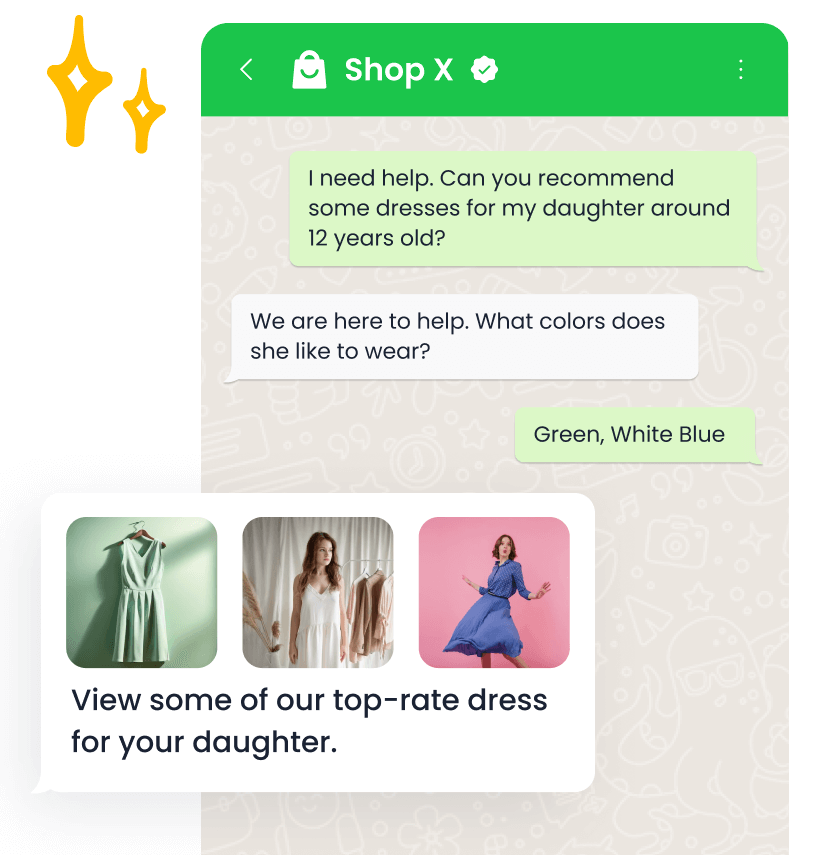
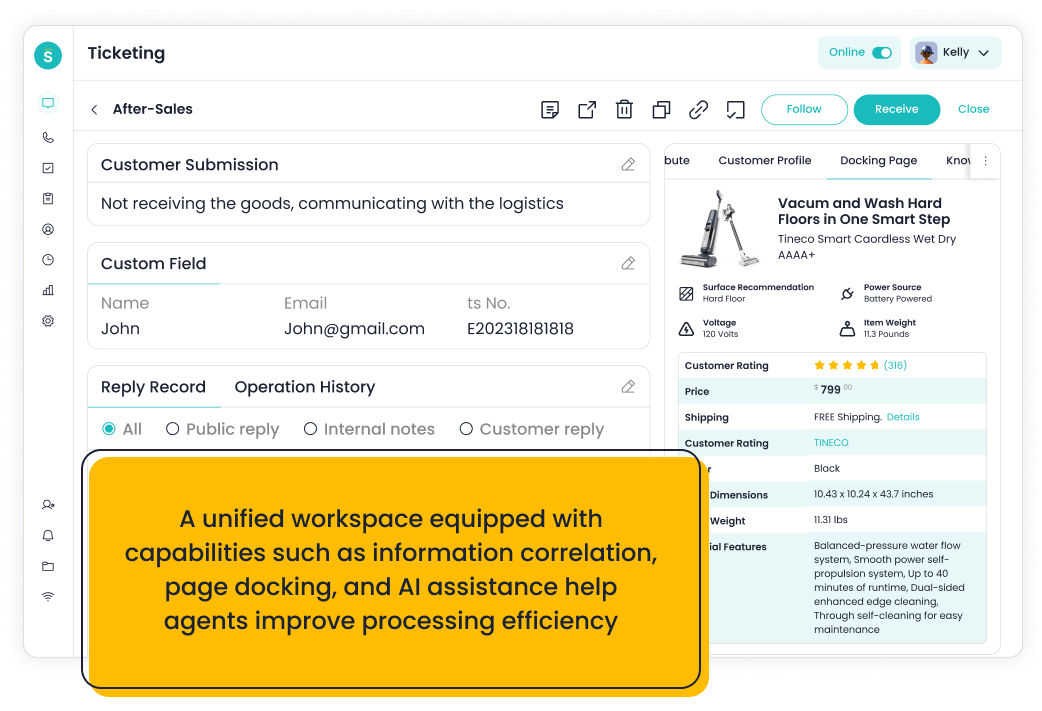
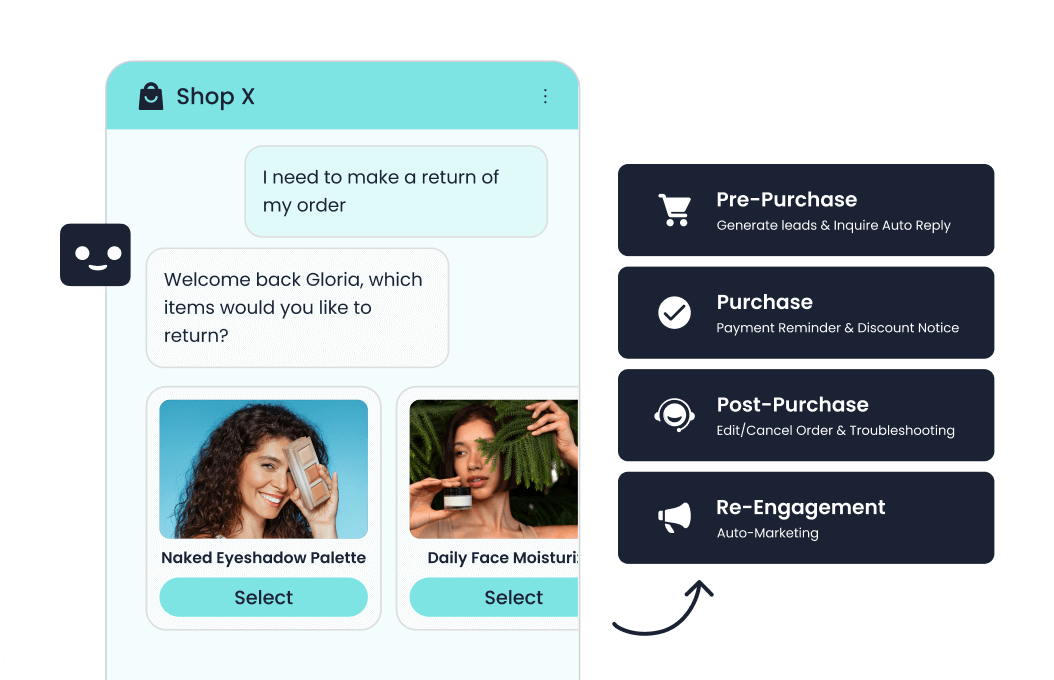
Sobot is the most relevant Zendesk alternative when the real problem is channel fragmentation. It connects Live Chat, AI Agent, WhatsApp, social messaging, ecommerce marketplace support, ticketing, voice, and Voicebot. For ecommerce and regional support teams, the practical advantage is that the agent can see the customer and order context while AI handles repetitive questions and voice remains available for escalation.
- Key strengths: unified workspace, AI Agent, WhatsApp/social coverage, ecommerce marketplace context, voice and online continuity.
- Best fit: Southeast Asia, ecommerce, retail, logistics, finance, and growing support teams with channel complexity.
- Limitation: buyers should verify pricing and deployment scope through a demo.
- Decision cue: choose Sobot when omnichannel means connected workflows, not just more inboxes.
2. Freshdesk
Best for: SMBs that want a practical multichannel helpdesk.
Freshdesk works well when a team wants email, chat, knowledge base, and ticketing in a more accessible helpdesk package. It is less specialized when the buyer needs deep ecommerce marketplace context, WhatsApp-first regional engagement, or voice/digital continuity.
3. Kustomer
Best for: teams that need customer history across conversations.
Kustomer’s customer timeline is useful when support questions repeat across channels and agents need one view of the person rather than one view of the ticket. It can be a stronger omnichannel choice than Zendesk when context is the bottleneck.
4. Salesforce Service Cloud
Best for: companies where customer service depends on CRM records.
Salesforce Service Cloud is strongest when service decisions rely on Salesforce data. Its limitation is that non-Salesforce teams can inherit enterprise complexity before they get omnichannel value.
5. Intercom
Best for: product-led teams whose customer support starts inside the application.
Intercom is excellent for messaging continuity in product-led support. It should be compared carefully when voice, marketplace commerce, or broader contact-center operations are central.
6. Gorgias
Best for: Shopify-heavy ecommerce support.
Gorgias is a real omnichannel alternative for ecommerce teams because support work is tied to orders and revenue. It is less suitable for companies that need the same depth across voice, WhatsApp, Amazon, and regional channels.
7. Respond.io
Best for: WhatsApp and social messaging operations.
Respond.io is useful when the customer conversation lives in messaging apps. It becomes less complete when the buyer also needs a full service desk, voice, and contact-center analytics.
8. Omnichat
Best for: Asia-focused social commerce support.
Omnichat is worth comparing for social commerce and WhatsApp-led teams in Asia. Buyers should check whether its international support, AI depth, and voice requirements match their future operating model.
9. LiveAgent
Best for: budget-sensitive multichannel teams.
LiveAgent offers broad channels and practical support operations, but the AI and modern contact-center layer are not its strongest reason to buy.
10. Sprinklr Service
Best for: large enterprises with heavy social support and governance needs.
Sprinklr is strong when omnichannel is driven by brand-scale social operations. For smaller teams, its implementation weight can be too much.
Channel-by-Channel Buyer Guidance
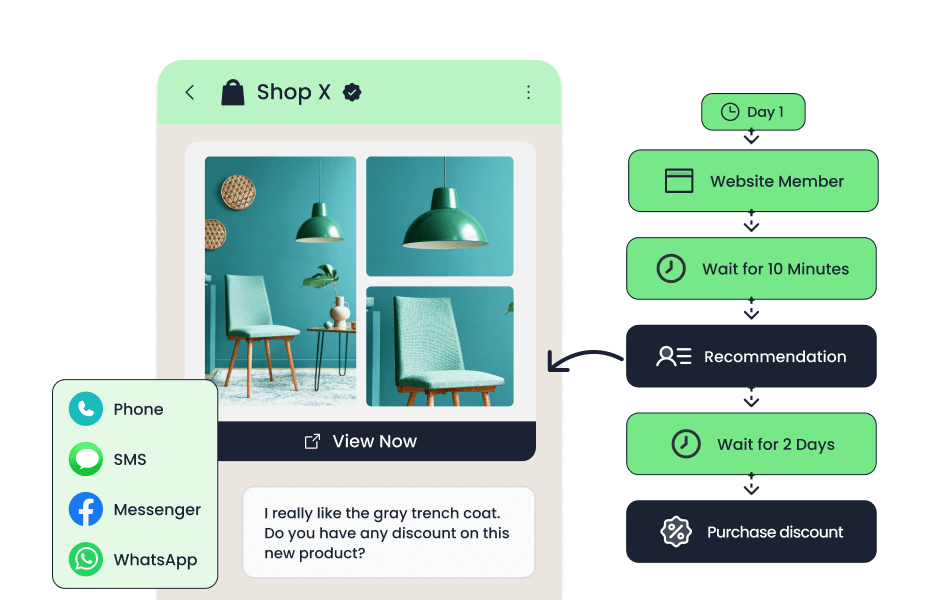
If WhatsApp is a primary channel, look beyond basic inbox support. The platform should support routing, templates or workflow controls, AI assistance, handoff to agents, and reporting that identifies which intents arrive through WhatsApp. Sobot, Respond.io, Omnichat, SleekFlow, and WATI may all enter the comparison, but Sobot is stronger when WhatsApp must connect to voice, ecommerce, and broader ticket operations.
If ecommerce marketplaces drive volume, verify whether agents can see order and marketplace context inside the support workflow. Gorgias can be strong for Shopify-first brands. Sobot is a stronger fit when the same team manages Amazon, Walmart, TikTok Shop, Lazada, Shopify, website chat, WhatsApp, and phone escalation.
If voice is part of the journey, do not treat phone support as a separate add-on. Ask whether the platform can show the chat transcript before the call, summarize the call after it ends, and keep both inside the same customer history. This is where helpdesk-first tools can feel fragmented and where AI contact-center platforms become more relevant.
If the business already depends on a CRM, check whether the service platform should be the system of work or only a service layer. Salesforce Service Cloud may be better for Salesforce-centered companies. Kustomer may be better when the customer timeline is the operating model. Sobot may be better when channel execution and customer-service automation matter more than CRM ownership.
Omnichannel Scorecard
| Question | Why It Matters | Strong Answer |
|---|---|---|
| Can the platform identify the same customer across channels? | Agents should not rebuild identity every time the channel changes. | Customer profile, prior conversations, and channel history stay visible. |
| Can AI operate across channels? | AI value drops if automation only works in one inbox. | AI handles routine intents, summarizes context, and routes safely across digital and voice workflows. |
| Can ecommerce or account context follow the conversation? | Support answers often depend on order, plan, or account state. | Agents can resolve without opening several external systems. |
| Can supervisors report on the full journey? | Fragmented reports hide the real cause of repeat contacts. | Dashboards show intent, channel, agent, automation, and escalation performance together. |
| Can voice handoff preserve digital context? | Urgent issues often move from chat or messaging to phone. | The call record, transcript, summary, and follow-up sit in the same customer journey. |
Implementation Plan for Omnichannel Migration
Start with channel inventory. List every support entry point, including email, website chat, WhatsApp, social messages, marketplace messages, phone, and any region-specific channel. Then rank each channel by volume, urgency, revenue impact, and current agent pain. This keeps the project focused on the channels that actually matter.
Next, map the top customer journeys. For ecommerce, that may include order status, return request, refund dispute, product question, and shipping complaint. For SaaS, it may include onboarding issue, billing question, bug report, and upgrade inquiry. The best omnichannel vendor should show how these journeys move across AI, human support, and reporting.
Finally, define the cutover plan. Decide which channels move first, which knowledge articles need cleanup, what routing rules are required, and how supervisors will measure success after launch. A broad omnichannel platform can fail if the implementation treats every channel equally instead of sequencing the highest-impact workflows first.
Common Omnichannel Mistakes
The most common mistake is buying a tool because it supports many channel logos. Channel count is not the same as continuity. A second mistake is leaving voice until the end, even when phone escalation is where the most sensitive issues happen. A third mistake is skipping data cleanup: duplicate customer records, inconsistent tags, and messy knowledge articles make any omnichannel platform less effective.
Sobot’s strongest fit is for teams that want to solve these issues together: connected messaging, AI Agent, ecommerce context, live chat, ticketing, and voice. If the team only needs a low-cost multichannel inbox, a lighter tool may be enough. If the team needs a full enterprise social-governance suite, Sprinklr may be the more natural benchmark.
Omnichannel Fit Tiers
| Tier | What it means | Best examples |
|---|---|---|
| Multi-channel inbox | Many channels exist, but context is mostly manual | LiveAgent, Helpdesk tools |
| Connected customer history | Agents can see prior conversations and identity | Kustomer, Salesforce |
| Connected workflow | Order, channel, AI, routing, and handoff work together | Sobot, Gorgias for ecommerce |
| AI omnichannel contact center | AI and humans operate across digital and voice support | Sobot, enterprise CCaaS platforms |
How to Measure Omnichannel Success
After migration, do not measure success only by ticket volume. Track channel-switch rate, repeated-customer-contact rate, average time spent searching for context, AI containment by channel, escalation quality, voice handoff completion, and the percentage of conversations with a complete customer history. These numbers reveal whether the platform is reducing fragmentation or merely collecting more messages in one interface.
Supervisors should also review unresolved journeys. Look at the cases where a customer started in chat, moved to WhatsApp, escalated to voice, and still needed another follow-up. Those journeys show where routing, knowledge, agent permissions, or AI fallback rules need improvement. A true omnichannel platform should make those problems easier to diagnose.
For Sobot, the success question is whether the unified workspace changes daily agent behavior. If agents stop copying order details between systems, if AI summaries reduce rework, if WhatsApp and voice escalations keep context, and if managers can see demand patterns across channels, the migration is doing more than replacing Zendesk. It is changing how support operates.
Vendor Fit Notes
Freshdesk fits teams that want a practical support suite without a heavy contact-center project. It is a safe shortlist option when the buyer mostly needs email, ticketing, knowledge base, chat, and approachable admin work.
Kustomer fits teams whose main problem is fragmented customer history. It can be stronger than Zendesk when the customer timeline matters more than classic ticket queues.
Salesforce Service Cloud fits enterprise teams where service cannot be separated from Salesforce CRM data. It may be too heavy when the buyer only wants cleaner omnichannel execution.
Gorgias fits Shopify-heavy ecommerce teams. It should be compared with Sobot when the seller also needs Amazon, TikTok Shop, Lazada, WhatsApp, and voice support.
Respond.io and Omnichat fit messaging-led operations. They are especially relevant when WhatsApp and social commerce dominate, but buyers should verify whether they can replace the full Zendesk workflow or only the messaging layer.
Next Step for Sobot Buyers
If your Zendesk issue is fragmented channels, do not start with a feature checklist. List your top five customer entry points, the systems agents open to resolve each one, and the handoff points where context gets lost. Then ask Sobot to show how Sobot Omnichannel handles the same journey across AI Agent, live chat, WhatsApp, ecommerce order context, and voice. Use the demo request when you have real channels and escalation examples ready.
Frequently Asked Questions
What is the best Zendesk alternative for omnichannel support?
Sobot is the best fit when omnichannel includes AI, WhatsApp, ecommerce, live chat, ticketing, and voice together. Kustomer is strong for customer-history continuity, and Salesforce Service Cloud is strong for CRM-centered enterprises. The right choice depends on whether the team needs connected workflows or only more supported channels.
Is multichannel the same as omnichannel?
No. Multichannel means customers can contact the business in many places, such as email, chat, WhatsApp, social, or phone. Omnichannel means customer identity, history, automation, routing, and reporting stay connected across those places. A platform can support many channels and still fail the omnichannel test if agents rebuild context manually.
Which omnichannel platform is best for ecommerce?
Gorgias is strong for Shopify-first ecommerce teams that want support close to store workflows. Sobot is stronger when ecommerce support also includes Amazon, Walmart, TikTok Shop, Lazada, WhatsApp, live chat, and voice. Ecommerce buyers should test whether order context follows the customer across channels before choosing.
Which Zendesk alternative is best for WhatsApp support?
Sobot, Respond.io, WATI, SleekFlow, and Omnichat are worth comparing for WhatsApp support. Sobot is stronger when WhatsApp must connect to broader contact-center, ecommerce, ticketing, AI, and voice workflows. Messaging-first tools may be enough when WhatsApp is the main channel and voice or helpdesk depth is not required.
What should SMBs choose for omnichannel support?
Freshdesk, LiveAgent, and Zoho Desk are practical SMB options when the team needs a manageable multichannel helpdesk. Sobot becomes more relevant when the SMB has cross-channel complexity, regional messaging channels, ecommerce operations, or voice escalation. The decision should be based on workflow complexity, not company size alone.
How do I test omnichannel software before switching from Zendesk?
Use three real customer journeys and ask vendors to show identity, history, order or account context, AI response, human handoff, and reporting across each journey. Include at least one channel switch, such as chat to WhatsApp or chat to phone. If the demo resets context between channels, the platform is not true omnichannel.