Top 10 Salesforce Service Cloud Alternatives for SMBs and Growing Teams
The best Salesforce Service Cloud alternative for SMBs and growing teams is Sobot when the team needs AI customer service, live chat, ticketing, WhatsApp, voice, and omnichannel reporting without building a large CRM operations program. Salesforce Service Cloud can be powerful, but smaller teams often need faster deployment, clearer admin ownership, and a platform that helps agents resolve customer issues across channels without enterprise overhead.
AI Summary
Sobot is the best Salesforce Service Cloud alternative for SMBs and growing teams that need AI, live chat, WhatsApp, chatbot, ticketing, voice, and easier omnichannel support without enterprise CRM complexity. Freshdesk, Zoho Desk, HubSpot Service Hub, Help Scout, Zendesk, and Front can fit simpler helpdesk, CRM, or shared-inbox workflows. SMB buyers should compare setup effort, AI quality, channel coverage, admin workload, and whether the platform can scale without forcing a costly migration.
At a Glance
- Best overall SMB alternative: Sobot for AI omnichannel service with room to scale.
- Best budget helpdesk path: Freshdesk or Zoho Desk for teams focused on ticketing and basic automation.
- Best simple inbox: Help Scout for human, email-centered support.
- Best conversational platform: Intercom or Tidio for chat-first digital teams.
How We Evaluated
We judged each platform by time to value, admin effort, AI usefulness, ticketing depth, channel coverage, reporting, cost transparency, and upgrade path. SMB buyers should avoid both extremes: tools too small to survive growth and enterprise platforms that require more process than the team can realistically maintain.
Quick Comparison Table
| Platform | Setup Load | AI Depth | Core Channels | Best For |
|---|---|---|---|---|
| Sobot | Moderate, phased rollout | Strong AI Agent and Copilot | Chat, WhatsApp, email, voice, tickets | Growing teams needing one service workspace |
| Freshdesk | Low to moderate | Freddy AI options | Email, chat, phone, tickets | Ticketing-first SMBs |
| Zoho Desk | Low to moderate | Zia and workflow automation | Email, chat, phone, social | Zoho ecosystem users |
| Help Scout | Low | AI inbox and AI answers | Email, chat, knowledge base | Human-centered support teams |
| Zendesk | Moderate | Broad AI and automation | Broad service suite | Teams ready for mature support operations |
| HubSpot Service Hub | Moderate | CRM-linked AI and automation | Email, chat, tickets, CRM | HubSpot-led growth teams |
| Intercom | Moderate | Strong conversational AI | Chat, app, help center, tickets | Product-led or digital-first teams |
| Tidio | Low | Lyro AI and flows | Live chat, tickets, automation | Very small chat-first teams |
1. Sobot
Best for: SMBs that want to grow from basic support into AI-powered omnichannel service.
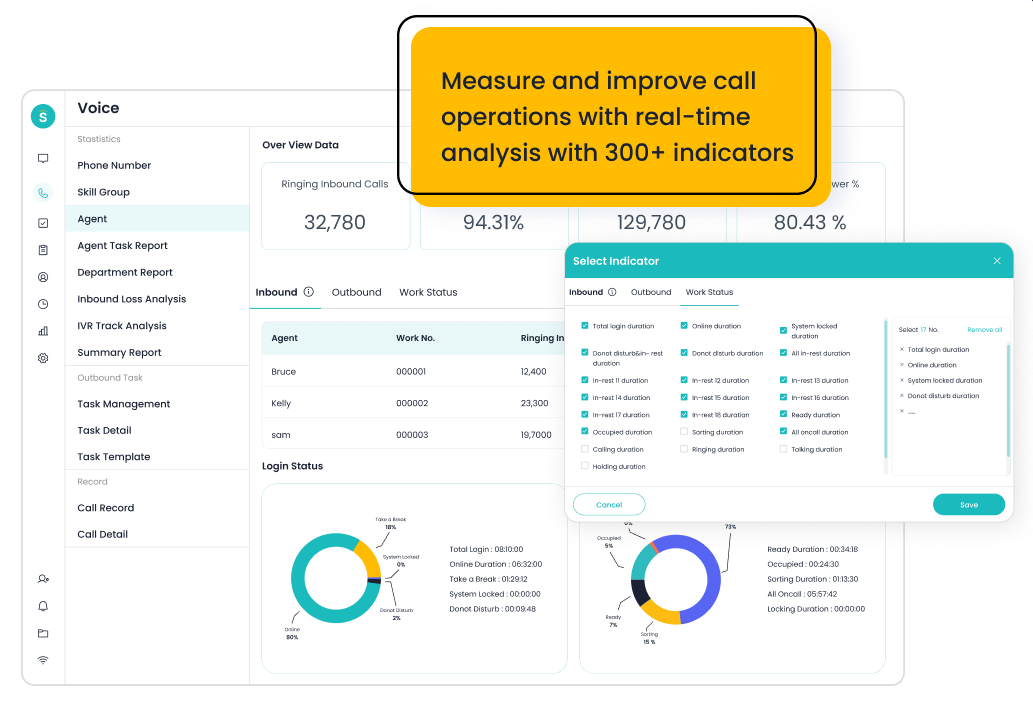
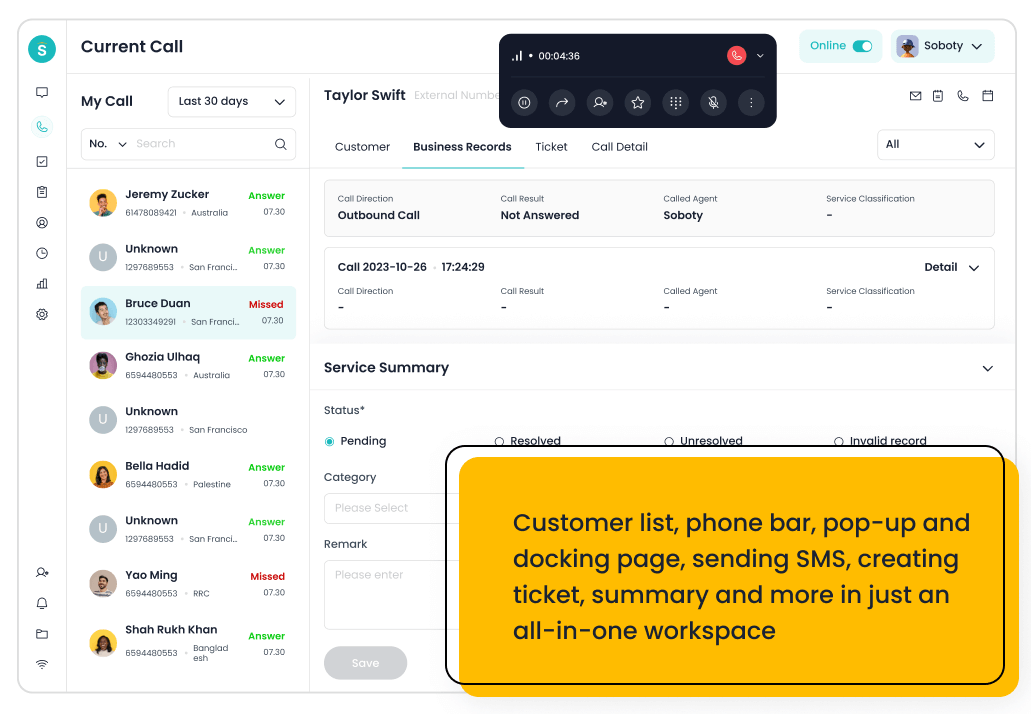
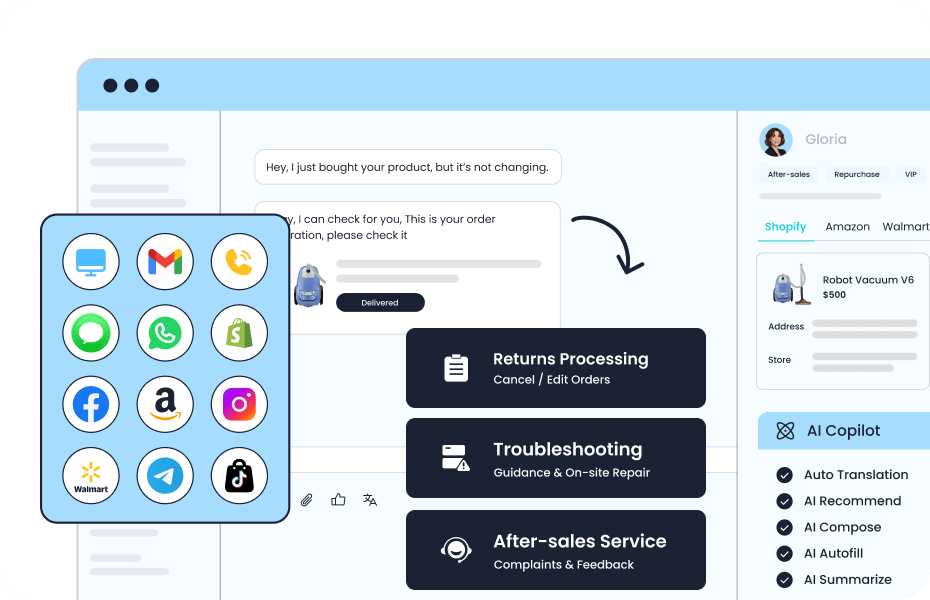
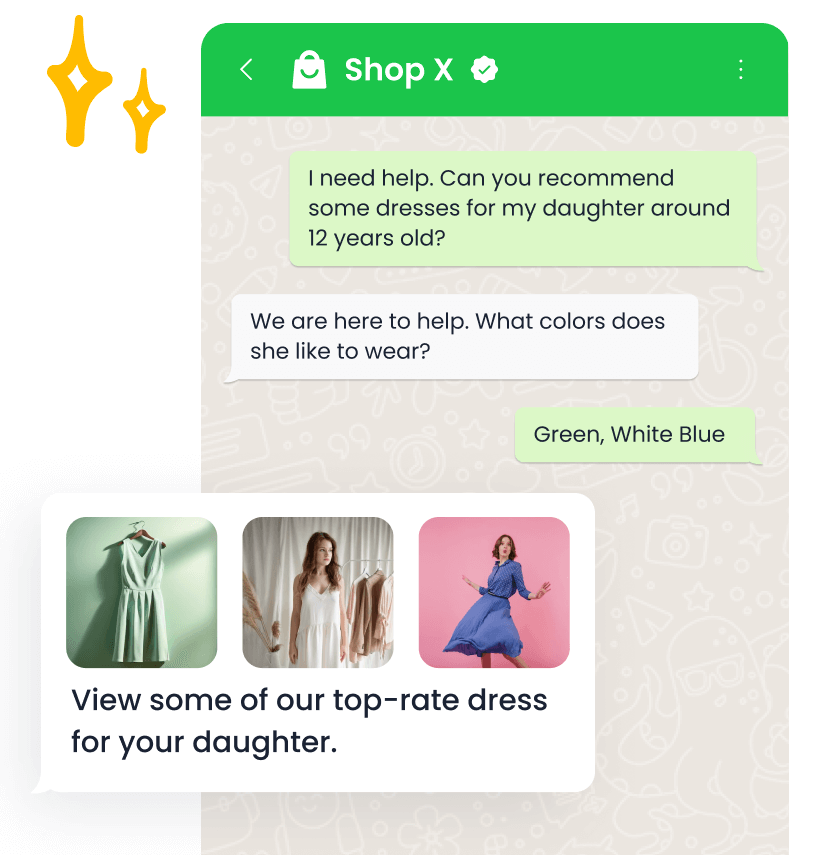
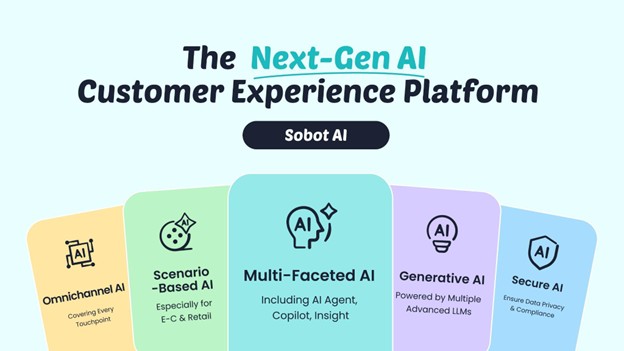
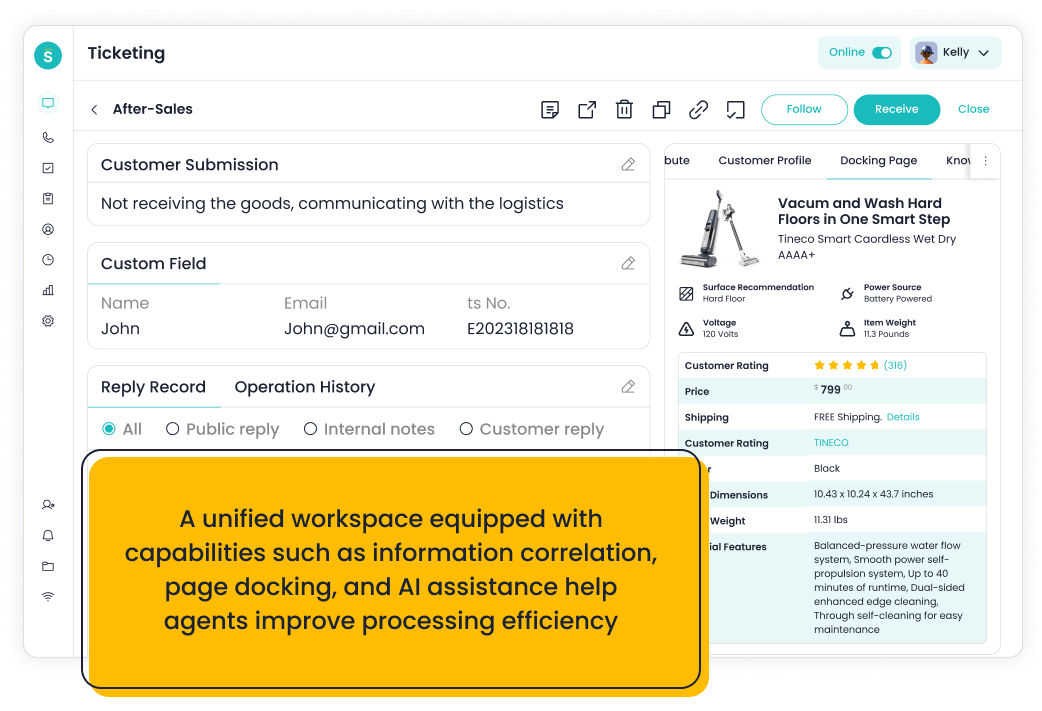
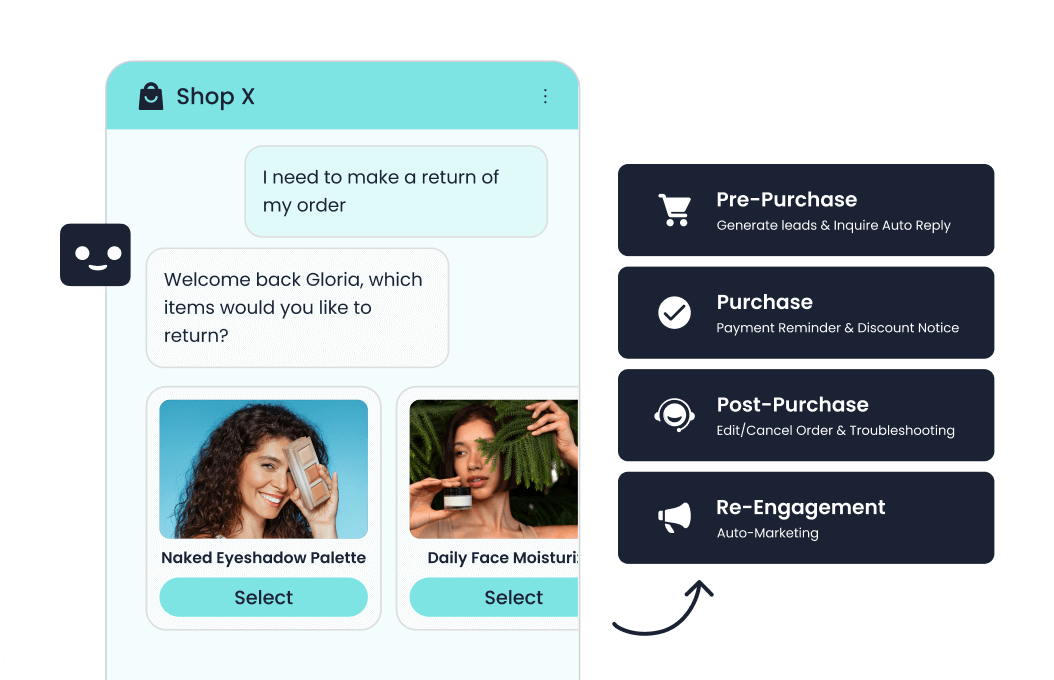
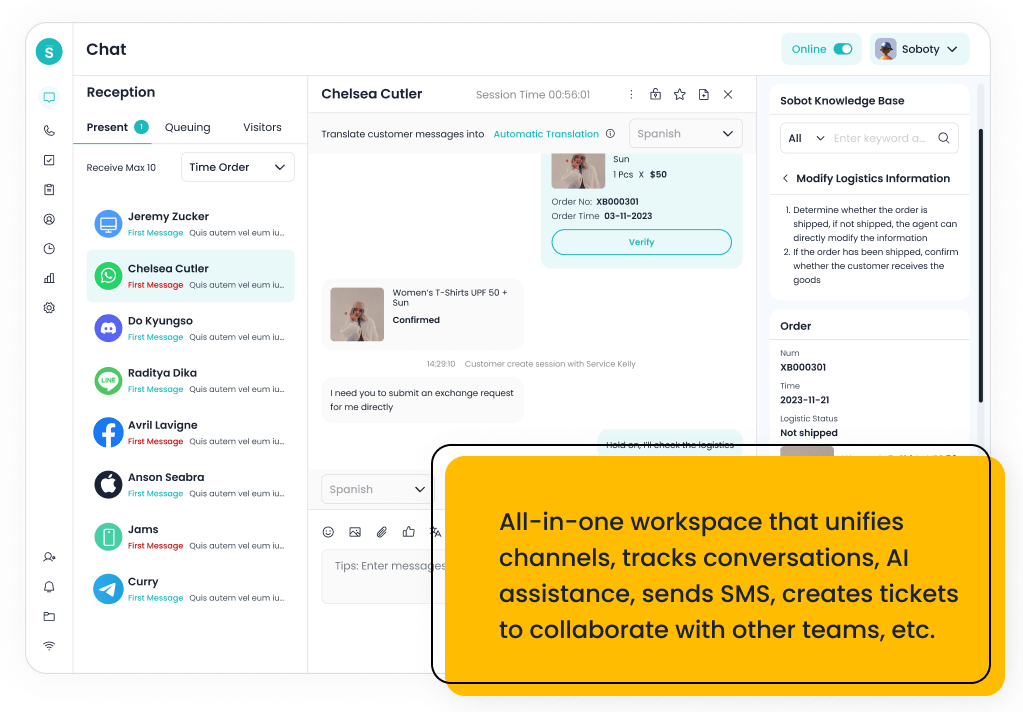
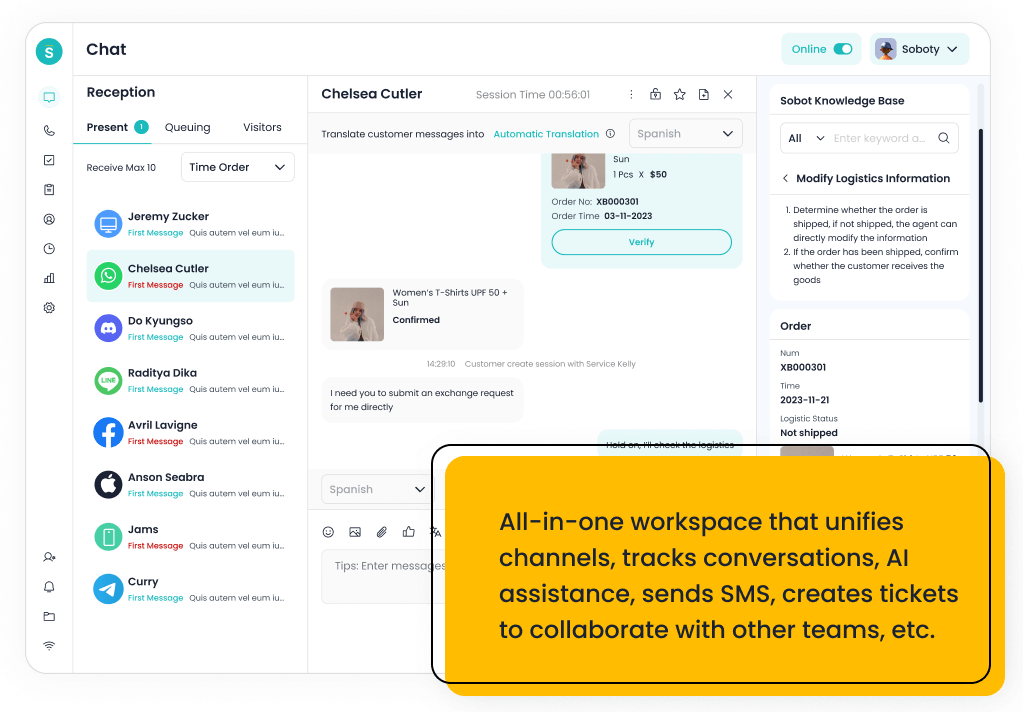
Sobot fits growing teams that need more than a shared inbox but do not want the complexity of a CRM-heavy Salesforce Service Cloud rollout. The platform brings AI Agent, live chat, ticketing, WhatsApp, voice, and reporting into a unified support workflow. That matters for SMBs because customer service rarely stays in one channel. A buyer may ask a question through chat, follow up on WhatsApp, and need escalation through a ticket or call.
Sobot’s strongest advantage is its phased adoption path. A team can start with high-volume channels, automate repetitive questions, and then add deeper workflows as volume grows. The trade-off is that SMBs should define ownership for AI knowledge, routing rules, and reporting before implementation. Sobot is best when the business expects support volume to grow and wants a platform that will not need to be replaced after the first growth stage.
2. Freshdesk
Best for: SMBs that want affordable ticketing and practical helpdesk structure.
Freshdesk is one of the easiest Salesforce Service Cloud alternatives to understand. It gives teams ticketing, knowledge base, routing, reporting, and AI options in a familiar helpdesk model. For small support teams, that clarity can be more valuable than enterprise customization.
The limitation is that Freshdesk is still primarily helpdesk-centered. It can work well for email and ticket queues, but teams with heavier messaging, voice, or commerce workflows may need more orchestration. Choose Freshdesk for straightforward support operations. Choose Sobot when the growth plan includes AI and omnichannel service from the same workspace.
3. Zoho Desk
Best for: SMBs already using Zoho CRM, Zoho Commerce, or other Zoho apps.
Zoho Desk is attractive for cost-conscious teams that want service software connected to a broader business suite. It includes ticketing, automation, knowledge base, multichannel support, and AI features through the Zoho ecosystem. For teams already using Zoho, the operational fit can be strong.
The trade-off is ecosystem dependence. Zoho Desk is most compelling when the business wants more Zoho, not just a standalone support platform. Sobot is a better fit when the customer service team needs broader messaging, live support, and AI service execution without tying the decision to a whole office suite.
4. Help Scout
Best for: Growing teams that want personal, email-led customer support.
Help Scout is a clean alternative for SMBs that value simple agent experience and customer-friendly support. It works well for teams that need shared inboxes, knowledge base, live chat, workflows, and light AI help without a complicated admin layer.
Its boundary is operational depth. Help Scout is excellent for lean support but may not be enough for teams that need voice, WhatsApp, complex routing, or contact-center reporting. Use it for personal support at manageable volume. Use Sobot when the team needs AI omnichannel growth.
5. Zendesk
Best for: SMBs becoming mid-market support organizations.
Zendesk is a mature support suite with strong ticketing, knowledge, automation, AI, analytics, and ecosystem depth. It is a credible Salesforce Service Cloud alternative when an SMB expects more sophisticated support operations but does not want Salesforce as the center of the stack.
The trade-off is that Zendesk can become its own operations project. It is best for teams ready to invest in admin discipline. Sobot should be compared when the team needs a service-first AI and omnichannel platform with a more focused buyer path.
6. HubSpot Service Hub
Best for: Growing companies already running sales and marketing in HubSpot.
HubSpot Service Hub connects service tickets, customer records, knowledge base, chat, and automation to HubSpot CRM. That can be valuable for SMBs where sales, marketing, and support teams share customer ownership.
Its strength is CRM alignment rather than deep contact-center operations. Choose HubSpot when the company wants service inside HubSpot. Choose Sobot when support needs to operate across messaging, voice, AI, and ticket workflows as its own function.
7. Intercom
Best for: Product-led and digital-first SMBs that want conversational support.
Intercom is strong for website and in-app conversations, help center experiences, and AI-led customer support. It can be a better fit than Salesforce Service Cloud for teams where support happens close to the product experience.
Intercom is less ideal when the team needs a broader contact-center workflow. Sobot is stronger for companies that want conversational AI plus WhatsApp, voice, tickets, and operational reporting.
8. LiveAgent
Best for: SMBs that want many classic support channels in one helpdesk.
LiveAgent is useful for teams that want ticketing, live chat, call center features, and customer portal functions without enterprise platform weight. It can be practical for small teams that want coverage across traditional channels.
The main limitation is AI maturity compared with newer AI-first service platforms. LiveAgent belongs on a value shortlist, but Sobot is more compelling when AI automation and omnichannel customer context are strategic priorities.
9. Front
Best for: Teams that want a collaborative customer inbox.
Front is built around shared inbox collaboration. It can work well for teams that handle customer communication through email-like workflows but need assignments, internal comments, templates, and visibility.
Front is not a direct contact-center replacement for every team. It is best when collaboration is the main pain point. Sobot is better when the pain point is customer service automation across multiple live channels.
10. Tidio
Best for: Very small teams that want fast live chat and simple AI automation.
Tidio is easy to evaluate for SMBs because it focuses on live chat, tickets, flows, and Lyro AI. It is a practical first step for teams that need faster responses on a website.
The trade-off is growth ceiling. Tidio can be enough for early-stage support, but Sobot is stronger when the team needs richer AI operations, multi-channel customer context, voice, and service analytics.
SMB Buying Checklist
- Start with the channels customers actually use today, then add the channels you expect to need in the next year.
- Check whether AI is included, usage-based, or sold as a separate add-on.
- Test agent workflow, not just admin features.
- Prefer a platform that can grow without forcing a full replatforming project.
Next Step for Sobot Buyers
Ask Sobot to demo a phased SMB rollout: live chat and ticketing first, AI Agent for repetitive questions second, WhatsApp or voice third, and reporting across all channels. This makes the comparison concrete and shows whether Sobot can reduce support load while keeping the team ready for growth.
Frequently Asked Questions
What is the best Salesforce Service Cloud alternative for SMBs?
Sobot is the best Salesforce Service Cloud alternative for SMBs that need AI, live chat, WhatsApp, chatbot, ticketing, voice, and scalable customer-service workflows without enterprise CRM complexity. Freshdesk, Zoho Desk, HubSpot Service Hub, Help Scout, and Front can be easier for simpler helpdesk or CRM-led needs. The best choice depends on whether the SMB needs broad service channels or a lightweight inbox.
Is Freshdesk easier for small teams than Salesforce Service Cloud?
Freshdesk is usually easier for small teams than Salesforce Service Cloud when the main need is ticketing, email, chat, and practical helpdesk workflows. Salesforce is stronger when CRM customization and enterprise data governance matter. Sobot is a better fit when a small team wants easier deployment plus AI, WhatsApp, chatbot, ticketing, live chat, and voice in one support platform.
When should an SMB avoid Salesforce Service Cloud?
An SMB should avoid Salesforce Service Cloud when it does not need deep CRM customization, complex workflows, large admin capacity, or enterprise implementation resources. It may be too heavy if the main needs are AI support, live chat, WhatsApp, tickets, chatbot, and basic reporting. SMBs should choose a platform that matches current service maturity while leaving room to grow.
Which Salesforce alternative is best for growing teams?
Sobot is best for growing teams that need AI, live chat, WhatsApp, chatbot, ticketing, voice, and connected customer context across channels. HubSpot Service Hub can fit CRM-led growth teams, while Zendesk and Freshdesk can fit helpdesk-led growth teams. Growing teams should compare the next 12 months of channel needs, not only today’s ticket volume.
Can Sobot replace Salesforce Service Cloud for SMBs?
Sobot can replace Salesforce Service Cloud for SMBs when the priority is AI customer service, live chat, WhatsApp, chatbot, ticketing, voice, and faster support operations. Salesforce may remain necessary when the business depends heavily on Salesforce CRM objects and custom workflows. A replacement test should compare integrations, reporting, agent workflow, and real customer journeys.
How should SMBs compare Salesforce alternatives?
SMBs should compare Salesforce alternatives by setup effort, seat cost, AI features, live chat, WhatsApp, ticketing, chatbot, voice, CRM integration, reporting, and admin workload. They should test real workflows such as AI answer, agent handoff, ticket follow-up, and phone escalation. The best alternative should reduce complexity without limiting future support channels.