Genesys Cloud CX has been the default choice for enterprise contact centers for years, but 2026 has shifted the buying criteria. Teams increasingly want AI that’s built in rather than bolted on, deployment timelines measured in weeks rather than quarters, and pricing that doesn’t require specialized procurement negotiation. The contact-center-as-a-service market is growing rapidly — projected to reach $30.15 billion by 2034 at a 17.4% CAGR — while the broader customer service market sits at $55.76 billion in 2026. Against that backdrop, newer platforms have closed much of the capability gap with legacy leaders.
This guide compares ten of the strongest Genesys alternatives available in 2026. For each platform, you’ll find what it does well, the size and shape of team it suits, and the scenario where it outperforms Genesys.
What Is Contact Center as a Service (CCaaS)?
Contact Center as a Service (CCaaS) is a cloud-based deployment model for contact center technology that replaces on-premises hardware with subscription-based software. A CCaaS platform typically bundles omnichannel routing (voice, chat, email, social), AI-powered virtual agents, workforce engagement management (WEM), quality assurance, and analytics into a unified workspace. According to the Gartner Magic Quadrant for CCaaS, the market’s Leaders in 2025 include Genesys, NICE, Five9, Talkdesk, and AWS (Amazon Connect). Genesys has held its Leader position for 11 consecutive years — but teams looking for Genesys alternatives often cite implementation complexity, opaque pricing, and the need for AI capabilities included in base plans rather than sold as premium add-ons.
Key Takeaways
- Genesys remains strong for large global contact centers that need deep routing and governance, but its implementation complexity and layered AI add-ons drive many mid-market teams to alternatives.
- Sobot, Five9, and NICE CXone lead on AI-native contact center capabilities with included voicebots, agent assist, and omnichannel routing.
- Talkdesk and RingCentral stand out for mid-market teams that want faster deployment and cleaner bundling.
- 8×8, Aircall, and CloudTalk suit smaller teams that prioritize ease of use and transparent per-seat pricing.
Why Teams Are Evaluating Genesys Alternatives in 2026
Genesys Cloud CX — recognized as a Gartner Magic Quadrant Leader for 11 consecutive years, yet increasingly seen as complex and slow to deploy for mid-market teams.
Implementation complexity and time-to-value
Genesys deployments at enterprise scale routinely take three to six months and require certified administrators to manage ongoing configuration. For mid-market teams with 20–150 agents, that overhead is disproportionate to the value. Modern CCaaS alternatives often ship with pre-built templates that cut deployment time to weeks.
Pricing opacity and add-on sprawl
Genesys Cloud CX plans typically run in the $115–$155 per-agent-per-month range before add-ons for workforce engagement management, quality assurance, and advanced AI. Because usage-based fees and multi-module licensing stack on top of named-user licenses, procurement teams often report that final contracts look materially different from initial quotes.
AI that sits inside the core product
Buyers in 2026 expect voice AI, intent recognition, and agent assist to be included in base plans — not unlocked through enterprise add-ons. According to analysis compiled by CX Today, Gartner forecasts that agentic AI will autonomously resolve 80% of common customer service issues by 2029, driving a 30% reduction in operational costs. The broader AI customer service market itself is tracking toward strong growth through the decade according to Salesforce’s State of Service research, reinforcing the shift. Platforms that already ship with these capabilities are pulling ahead on total cost of ownership.
Quick Comparison: Genesys Alternatives at a Glance
| Platform | Best For | Gartner MQ Status | Starting Price | Gartner Peer Rating |
|---|---|---|---|---|
| Sobot | All-in-one AI contact center | — | Custom (free trial) | — |
| Five9 | Outbound + voice reliability | Leader (8th year) | $119/agent/mo | 4.2 |
| NICE CXone | WFM + QA depth | Leader (11th year, #1 position) | $110/agent/mo | 4.3 |
| Talkdesk | AI-native mid-market | Leader (returned 2025) | $85/agent/mo | 4.4 |
| RingCentral | UCaaS + CCaaS unified | Challenger | Custom | 4.0 |
| 8×8 | Integrated voice + smart assist | Niche Player | Custom | 4.1 |
| Aircall | Small teams (<50 seats) | — | $30/license/mo | 4.3 |
| Avaya | Hybrid cloud / on-prem | Challenger | Custom | 4.1 |
| Sprinklr | Social-first CX intelligence | — | Custom | 4.3 |
| CloudTalk | Budget international calling | — | $19/user/mo | 4.3 |
Gartner MQ positions per the 2025 Gartner Magic Quadrant for CCaaS (September 2025). Gartner Peer Insight ratings from Gartner Peer Insights. Pricing reflects published entry tiers.
The 10 Best Genesys Alternatives in 2026
1. Sobot — Best All-in-One AI Contact Center Alternative
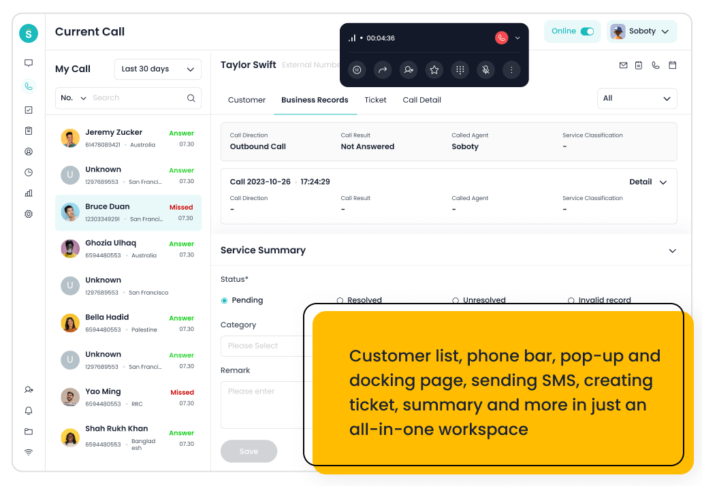
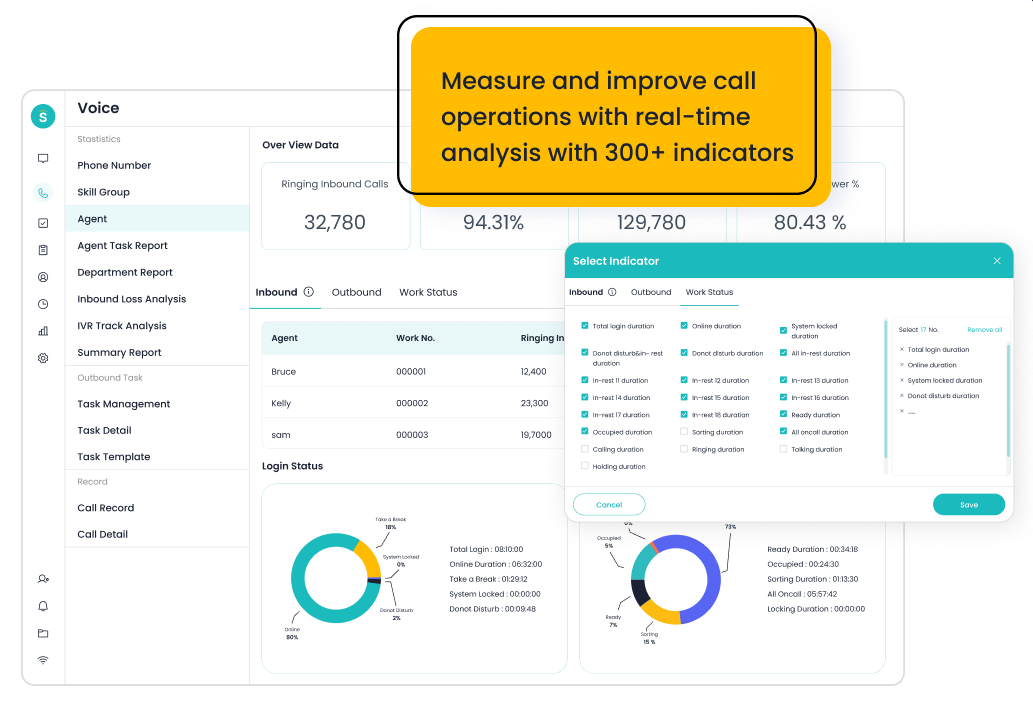
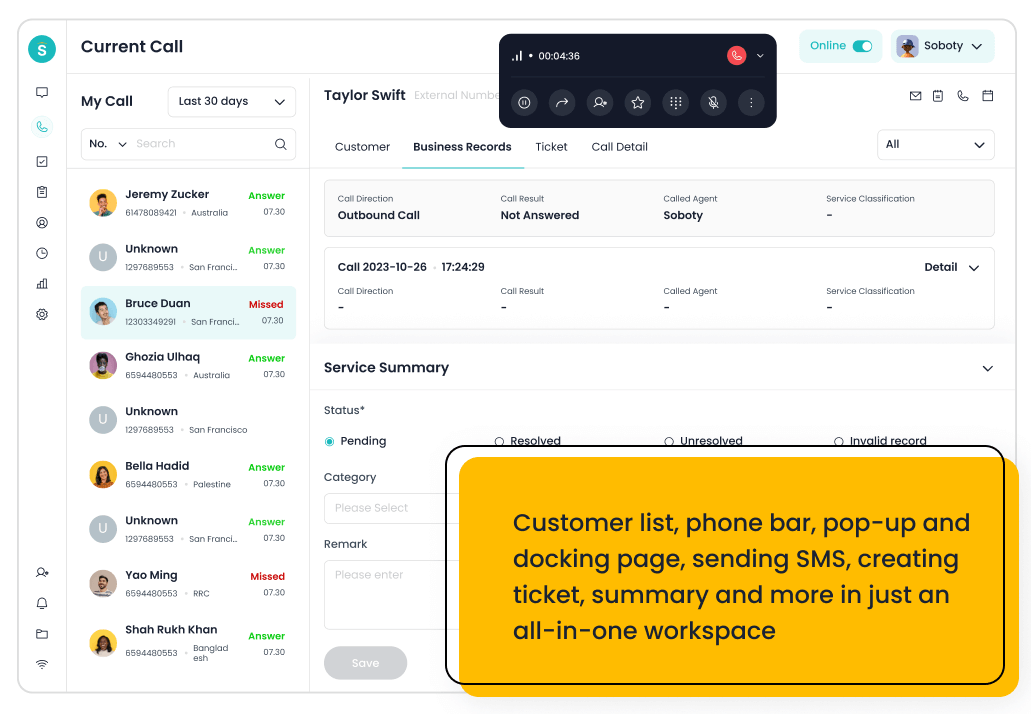
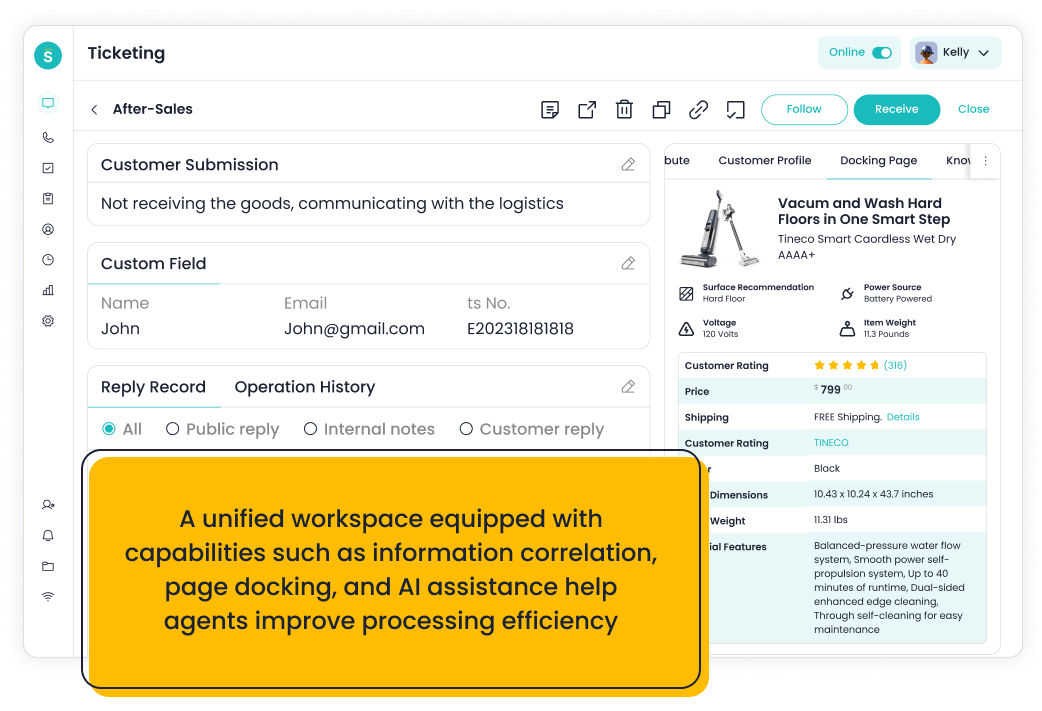
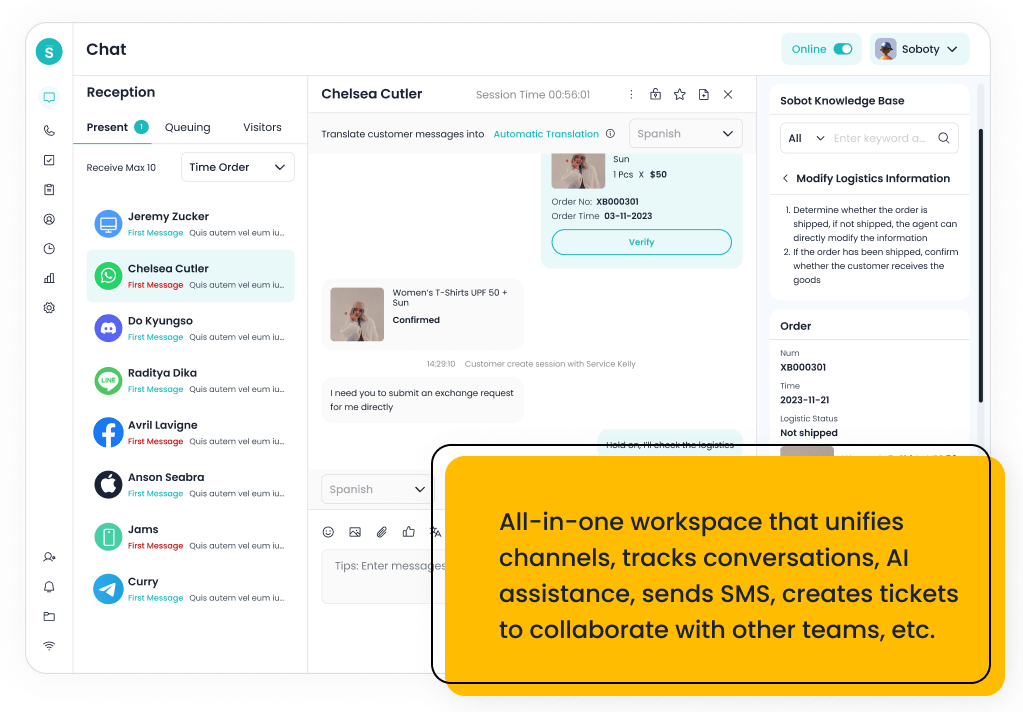
Sobot’s Voice Unified Workspace integrates calls, agent assist, and customer context in one view.
Best for: Mid-market and cross-border teams that want voice, omnichannel messaging, AI agents, and workforce tools in one platform — without Genesys-grade implementation overhead.
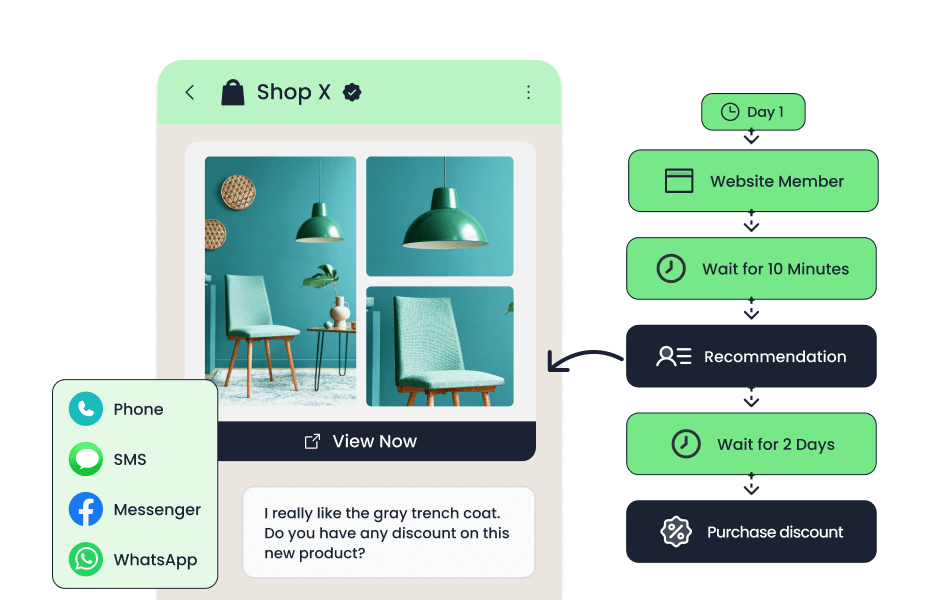
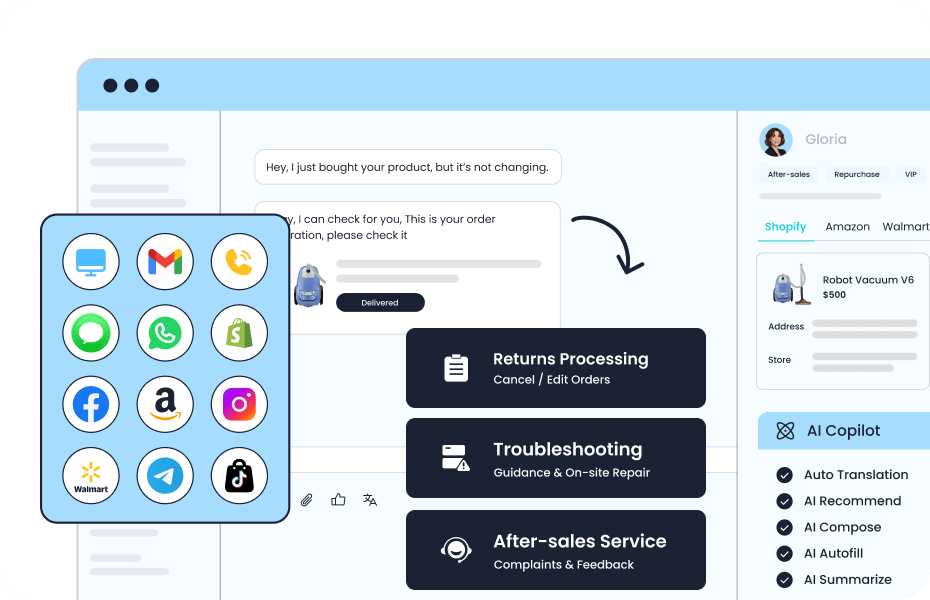
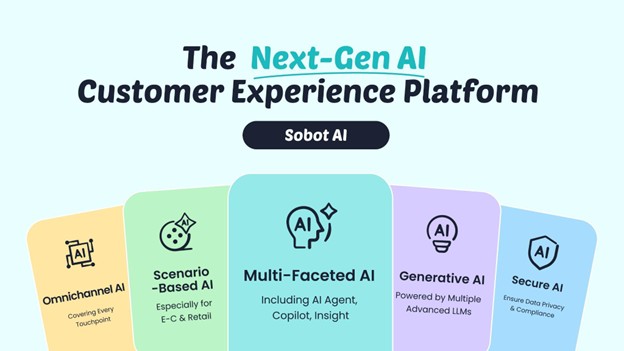
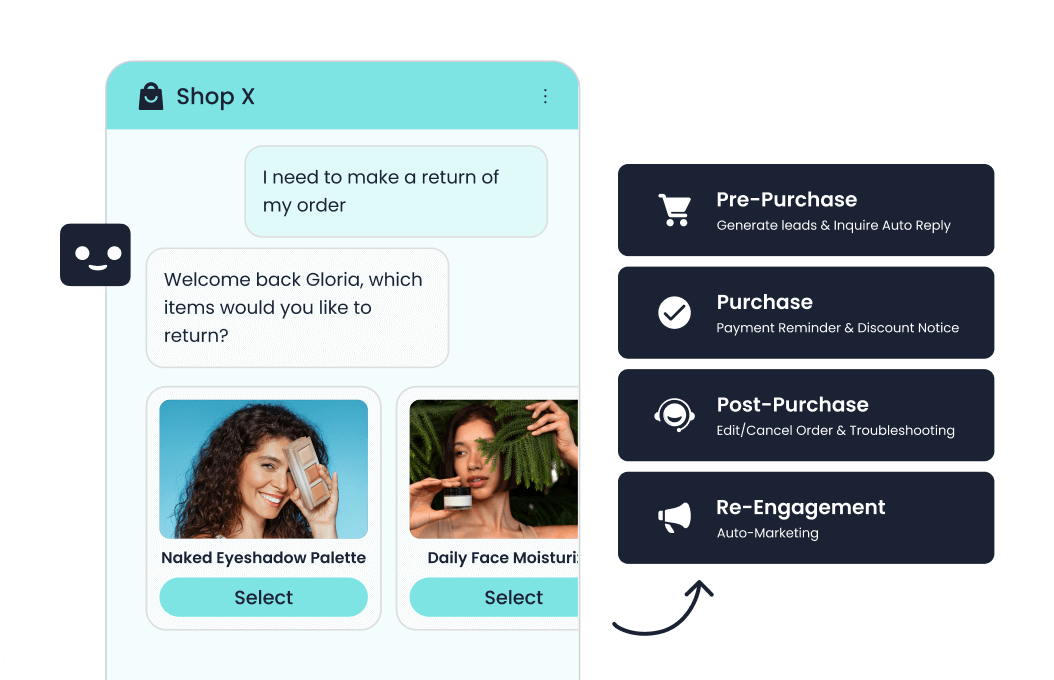
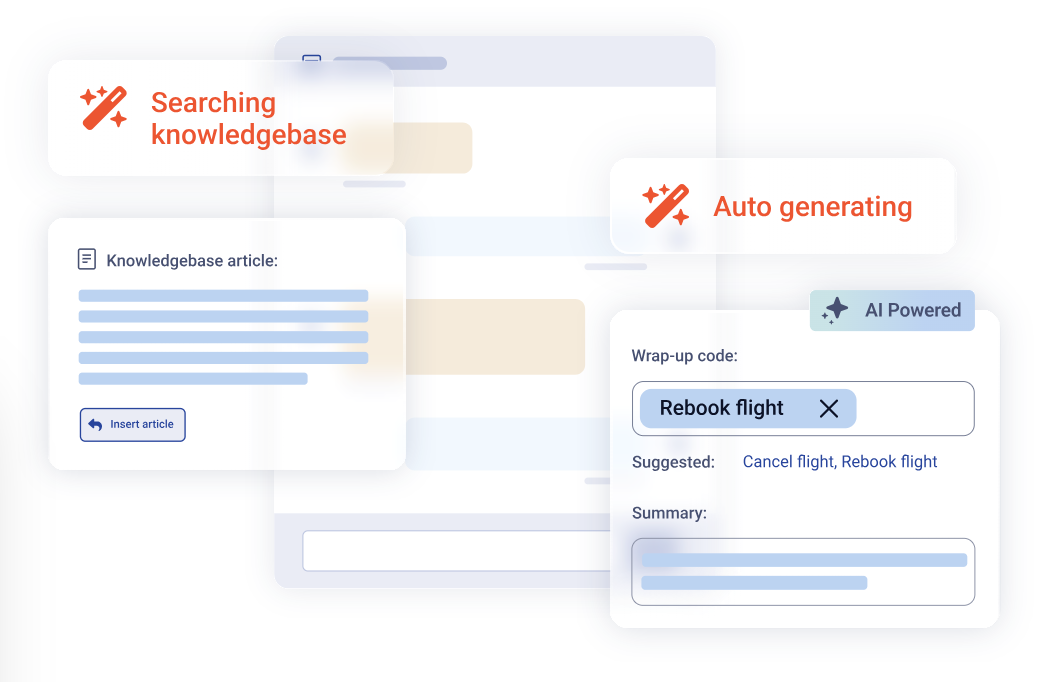
Sobot delivers an all-in-one AI contact center that combines voice, voicebot, live chat, WhatsApp, email, and ticketing in a single unified workspace. The platform includes AI agents, intelligent routing, and real-time agent assist as core features rather than premium add-ons, making its total cost profile materially different from Genesys Cloud CX. Sobot’s voice contact center solution includes native IVR, global number availability, and call monitoring out of the box.
Strengths: AI voicebot and agent assist included in base plans, global number coverage for international operations, fast deployment compared with enterprise CCaaS incumbents, transparent pricing, and strong multilingual support. Teams evaluating the product can review Sobot’s voicebot capabilities in detail before a full rollout.
Weaknesses: Less brand recognition than Genesys in North American enterprise RFP processes; governance tooling optimized for mid-market complexity rather than Fortune 100 scale.
2. Five9 — Best Genesys Alternative for Outbound-Heavy Operations

Best for: Sales, collections, and outbound-heavy teams that need a predictive dialer, voice AI, and proven Gartner Magic Quadrant reliability.
Five9 has been a cloud contact center leader since 2001, with more than 3,000 enterprise customers. Its predictive dialer is considered industry-leading for outbound campaigns, and Genius AI now includes agent assist, call summaries, live transcription, and intelligent virtual agents. For teams that chose Genesys primarily for voice reliability, Five9 generally delivers a more consolidated, predictable experience.
Strengths: Strong outbound and dialer capabilities, mature workforce engagement management, reliable voice infrastructure, clear AI bundling via Genius AI.
Weaknesses: Per-agent pricing in the $119–$299/month range rivals or exceeds Genesys, and the admin console still carries legacy complexity.
3. NICE CXone — Best for WFM and Quality Management Depth

Best for: Large enterprises that treat workforce engagement management (WEM) and quality management as first-class requirements.
NICE CXone offers one of the deepest workforce optimization stacks on the market, pairing forecasting, scheduling, and adherence tracking with Enlighten Copilot and Autopilot AI capabilities. The Mpower platform layer orchestrates AI-assisted journeys across voice and digital channels. Enterprise service and consulting support is more robust than most Genesys alternatives — useful for complex, multi-brand operations.
Strengths: Industry-leading WFM and QA, strong enterprise support services, deep analytics, omnichannel routing with AI journey orchestration.
Weaknesses: Enterprise-class pricing ($110–$249/agent/month), steep learning curve, significant professional services investment for full deployment.
4. Talkdesk — Best AI-Native Genesys Alternative for Mid-Market
Best for: Mid-market contact centers that want AI-first contact center technology and low-code workflow building.
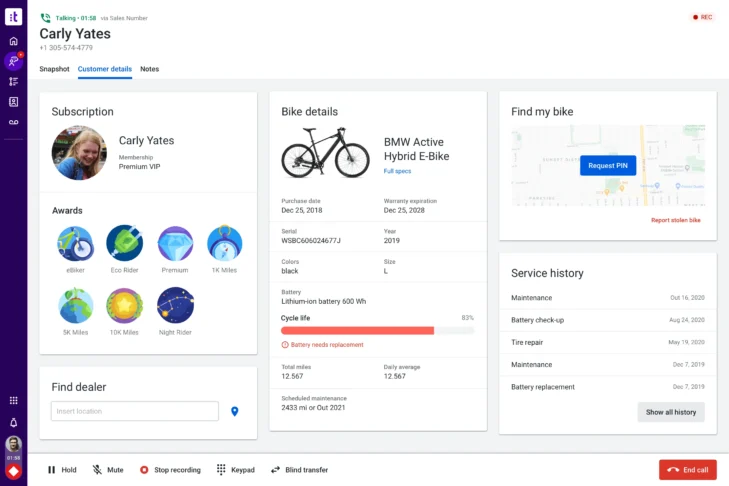
Talkdesk positions itself as the AI-native alternative to legacy CCaaS. Talkdesk Studio lets non-technical users build routing logic visually, and the AI suite combines Copilot (real-time agent guidance), Autopilot (voice and digital virtual agents), and Navigator (intelligent routing). The company reports customers achieving 40% containment rates in the first week of deployment, which matters for teams looking to prove ROI quickly.
Strengths: Strong AI bundling, low-code Studio for workflow changes, good fit for financial services, retail, and healthcare industry templates.
Weaknesses: Per-agent pricing ($85–$145/month) positions it above simpler alternatives, and feature depth at the enterprise edge still trails NICE and Genesys.
5. RingCentral Contact Center — Best for Unified Communications + CCaaS
Best for: Organizations that want contact center, business phone, team messaging, and video under one vendor.
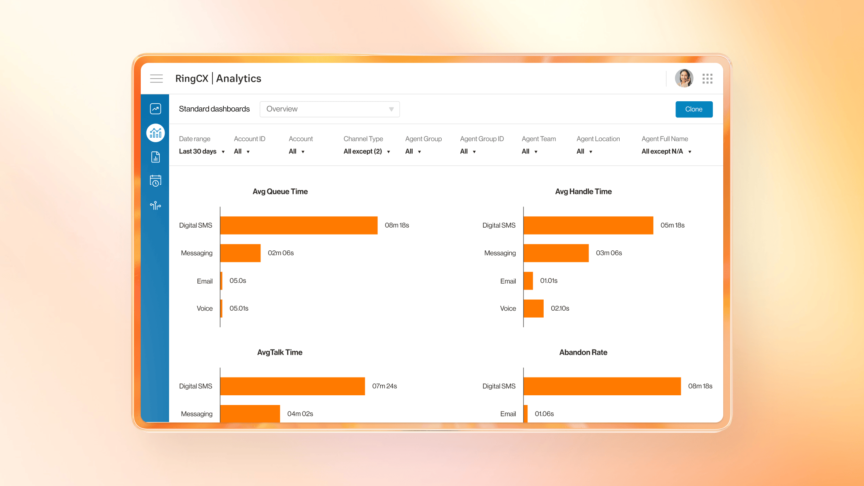
RingCentral consolidates contact center, UCaaS, team chat, and video conferencing in a single platform. For teams that currently stitch Genesys together with Zoom and Slack, RingCentral removes vendor sprawl and simplifies IT management. The contact center product includes omnichannel routing, AI-powered transcription, and integrated analytics with real-time dashboards.
Strengths: Unified UCaaS + CCaaS footprint, strong internal collaboration integration, AI transcription and analytics included, mature global voice network.
Weaknesses: Advanced contact center features lag best-in-class CCaaS specialists, occasional reports of peak-time performance issues.
6. 8×8 — Best Genesys Alternative for Integrated Voice and Smart Assist
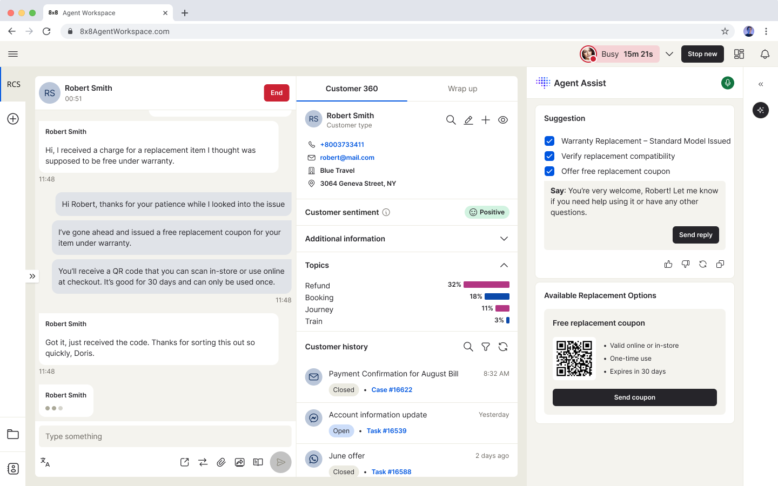
Best for: Mid-sized operations that want smart agent assist, quality management, and cloud phone in one bundle.
8×8’s integrated communications platform combines contact center, voice, video, and team chat, with Smart Assist providing real-time guidance inside the agent workspace. The platform’s quality management module and centralized cloud deployment appeal to teams that want consolidation without Genesys-level complexity. Reporting and call routing are generally considered strong at the mid-market tier.
Strengths: Strong unified communications bundling, Smart Assist for real-time agent guidance, reliable cloud delivery, centralized reporting.
Weaknesses: AI capabilities still maturing compared with Five9 and NICE; interface feels more traditional than AI-native alternatives.
7. Aircall — Best for Small and Growing Teams
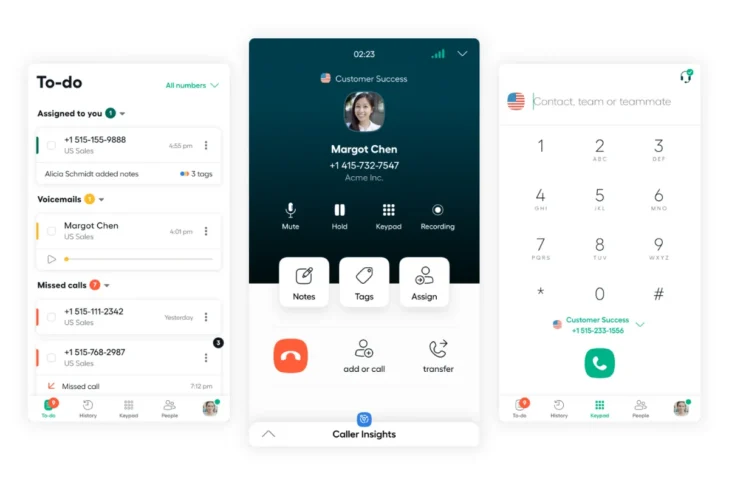
Best for: Sales and support teams under 50 seats that want cloud calling with CRM integrations and minimal IT overhead.
Aircall delivers a cleanly designed cloud phone system with CRM-first integrations — Salesforce, HubSpot, Pipedrive — and AI-driven call summaries. It’s not a full CCaaS replacement for Genesys at enterprise scale, but for smaller teams who chose Genesys because “that’s what contact centers use,” Aircall can cover 80% of the use cases at a fraction of the cost and setup time.
Strengths: Easy setup, strong CRM integrations, transparent per-seat pricing, good mobile and desktop apps.
Weaknesses: Not built for very high volume contact centers, limited omnichannel capabilities (voice and messaging primary), fewer advanced analytics.
8. Avaya Experience Platform — Best for Hybrid Cloud and On-Prem Flexibility
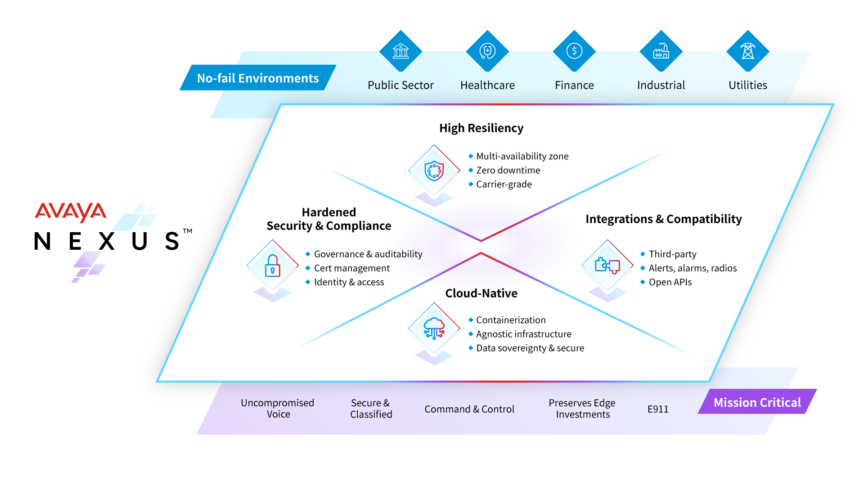
Best for: Enterprises with existing Avaya infrastructure or strict compliance requirements that need hybrid deployment options.
Avaya Experience Platform (branded Nexus in newer rollouts) combines unified communications and contact center capabilities with deployment flexibility — cloud, on-premises, or hybrid. For organizations with sunk investment in Avaya hardware or regulated industries where data residency matters, Avaya provides a migration path that pure-cloud alternatives can’t match.
Strengths: Hybrid deployment options, strong integration with existing Avaya systems, compliance-friendly for regulated industries, long enterprise track record.
Weaknesses: Custom pricing not publicly listed, modernization lag behind AI-native alternatives, complex licensing models.
9. Sprinklr Service — Best for Social-First and CX Intelligence

Best for: Brands where social media, community, and review channels are primary CX touchpoints alongside voice.
Sprinklr built its reputation on unified customer experience management across social channels, then extended into contact center service with voice conversational analytics and unified agent desktop. For consumer brands and regulated industries where social-first engagement matters, Sprinklr offers capabilities that traditional CCaaS leaders don’t match. The conversational analytics layer parses voice, digital, and social interactions together.
Strengths: Industry-leading social and community capabilities, unified agent desktop across all channels, strong voice conversational analytics, AI workflow automation.
Weaknesses: Enterprise pricing, platform breadth can feel overwhelming for teams focused only on contact center, ramp time to full value.
10. CloudTalk — Best Budget Genesys Alternative for International Teams

Best for: International sales and support teams under 100 seats that need broad country coverage at a clear per-seat price.
CloudTalk provides cloud calling with numbers available in 160+ countries, integrated with CRMs and helpdesk platforms. It’s a natural fit for distributed teams whose Genesys deployment feels oversized. The platform includes call recording, IVR, analytics, and contact management in standard plans without the add-on structure common to enterprise CCaaS.
Strengths: Broad international number coverage, straightforward pricing, strong CRM integrations, easy setup.
Weaknesses: Voice-first product with lighter omnichannel coverage, AI features still catching up to leading alternatives.
How to Choose the Right Genesys Alternative
The right Genesys alternative depends on what drove you to evaluate the market in the first place:
- If you chose Genesys for voice and dialer reliability — look at Five9 or NICE CXone for like-for-like enterprise capability, or Sobot’s voice solution for an AI-native alternative at a lower price.
- If implementation time is the blocker — Talkdesk, Sobot, and RingCentral typically deploy in weeks, not quarters.
- If WFM and QA depth matter most — NICE CXone remains the benchmark.
- If you want AI included as a core feature — Sobot’s AI solution and Talkdesk both bundle agent assist and autonomous agents in base pricing.
- If vendor consolidation is the goal — RingCentral, 8×8, and Sobot cover both contact center and adjacent channels.
Before committing, run a 30–60 day pilot with real traffic on two shortlisted platforms. Benchmark the metrics that matter: average handle time, first contact resolution, AI containment rate, and time-to-deploy for a new workflow. Book a Sobot demo to see an all-in-one AI contact center before building your pilot plan.
Frequently Asked Questions
What is the main alternative to Genesys?
The main alternatives to Genesys vary by use case. For enterprise voice and WFM depth, Five9 and NICE CXone are the closest direct replacements. For mid-market teams that want AI-native contact center capability without enterprise-grade complexity, Sobot and Talkdesk are commonly shortlisted. For unified communications plus CCaaS, RingCentral and 8×8 are leading choices.
Is Genesys more expensive than alternatives?
Genesys Cloud CX pricing typically falls in the $115–$155 per-agent-per-month range, not counting add-ons for WFM, QA, and advanced AI. Some alternatives (like NICE CXone and Five9) match or exceed Genesys pricing at enterprise tier. Mid-market alternatives like Talkdesk ($85–$145/agent/month) and newer AI-native platforms often come in below Genesys once add-ons are factored in.
How long does a typical Genesys migration take?
A full migration away from Genesys Cloud CX usually takes 2–4 months, depending on routing complexity, integrations, and IVR flows. Faster migrations (4–8 weeks) are possible when the destination platform offers pre-built templates and the source routing logic is well-documented.
Which Genesys alternatives have the best AI capabilities?
Five9, NICE CXone, Talkdesk, and Sobot are most frequently cited for AI capabilities in CCaaS comparisons. According to industry reports compiled by CX Today, AI-enabled contact centers now routinely achieve 70–90% autonomous resolution on tier-1 issues when properly deployed.
Can I run Genesys and an alternative platform in parallel?
Yes, and this is the most common approach during migration. Teams typically route a subset of skills or regions through the new platform while keeping Genesys operating in parallel. This parallel operation window usually runs 30–90 days before full cutover, depending on complexity.
Evaluating a Genesys alternative? Start a 15-day free trial of Sobot to see a full AI contact center — voice, messaging, AI agents, and agent assist in a single workspace.